Bible Verses About Anger
July 6, 2024
Bible Verses About Deliverance From Evil Spirits
July 8, 2024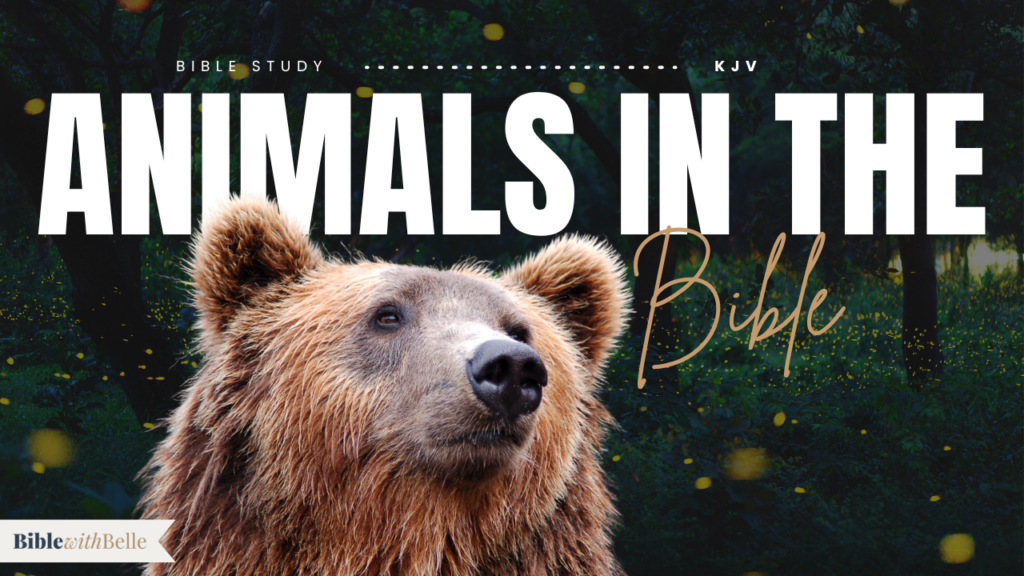
Animals are part of the wonderful world God created. From the birds that fill the sky to the creatures that live in the oceans, the Bible reminds us that the animal kingdom displays God’s wisdom, creativity, and power.
Scripture also teaches that God cares for His creation and has given humanity responsibility for the animals under our care. Whether you love animals, want to understand what the Bible says about treating them kindly, or simply want verses that celebrate God’s creation, these passages reveal important truths about the Creator and His creatures.
Quick Answer: What Does the Bible Say About Animals?
The Bible teaches that God created animals, provides for their needs, and declared His creation good. He entrusted humanity with responsibility over the earth, which means people should treat animals with care rather than cruelty.
Scripture also uses animals to teach spiritual lessons and demonstrate God’s power. However, although animals are valuable parts of His creation, the Bible directs our worship toward God, not the things He has made.
Here are some important Bible verses about animals:
- Genesis 1:25 — God created the animals and saw that they were good.
- Psalm 145:9 — God’s tender mercies extend over all His works.
- Proverbs 12:10 — A righteous person cares about the life of an animal.
- Matthew 6:26 — Jesus points to the birds as an example of God’s provision.
- Psalm 104:24 — God made His works in wisdom.
- Job 12:7–10 — Animals and the rest of creation testify to God’s power and authority.
Together, these passages show that animals matter to their Creator and that people should care responsibly for the creatures He has made.
1. God Created the Animals
The Bible begins by revealing God as the Creator of heaven and earth. Animals did not create themselves, nor are they outside His authority. Scripture describes God bringing different kinds of creatures into existence according to His design.
Genesis 1:24–25 — God Created Every Kind of Animal
And God said, Let the earth bring forth the living creature after his kind, cattle, and creeping thing, and beast of the earth after his kind: and it was so.
And God made the beast of the earth after his kind, and cattle after their kind, and every thing that creepeth upon the earth after his kind: and God saw that it was good.
God’s creation includes livestock, wild animals, and creatures that move along the ground. Each belongs to the world He made, and the passage specifically tells us that God saw His work as good.
This reminds us that animals are not meaningless parts of the natural world. They belong to God’s creation and reflect His wisdom and creativity.
Genesis 1:31 — God Saw That His Creation Was Very Good
And God saw every thing that he had made, and, behold, it was very good. And the evening and the morning were the sixth day.
When God completed His creation, He declared it very good. This included the animals He had made and the world in which they lived.
The Bible does not teach that creation should be worshipped, but it does give us reasons to appreciate it. When we admire the beauty, variety, and complexity of animals, we can respond with gratitude to the God who created them.
2. God Cares for Animals
One of the most encouraging truths in Scripture is that God does not simply create living things and forget about them. The Bible describes Him as the One who sustains His creation and provides for its needs.
Psalm 145:9 — God’s Mercy Extends to All His Works
The LORD is good to all: and his tender mercies are over all his works.
God’s goodness is not limited to the things human beings can see or understand. His works include the animals and every other part of creation.
This verse reminds us of God’s generous character. Although Scripture gives human beings a unique place in creation, it also shows that God is good to what He has made.
Psalm 104:27–28 — God Provides for His Creatures
These wait all upon thee; that thou mayest give them their meat in due season.
That thou givest them they gather: thou openest thine hand, they are filled with good.
Psalm 104 describes God’s provision throughout the natural world. The creatures depend on Him for food, and the psalm presents their lives as part of His ongoing care for creation.
This passage encourages us to recognise God’s sustaining power. The natural world does not exist independently of Him; all creation remains under His authority.
Matthew 6:26 — Jesus Points to the Birds
Behold the fowls of the air: for they sow not, neither do they reap, nor gather into barns; yet your heavenly Father feedeth them. Are ye not much better than they?
Jesus used the birds to teach His listeners about worry and trust in God. He pointed out that the heavenly Father feeds them, then reminded His hearers that human beings are of even greater value.
The lesson is not that Christians will never experience hardship or that God promises to give us everything we want. Rather, Jesus calls us to trust our heavenly Father instead of allowing anxiety to rule our lives.
The birds remind us that God is attentive to His creation. Jesus uses this example to encourage us to trust His care for us as well.
3. The Bible Teaches Us to Treat Animals Kindly
God gave humanity authority over the earth, but that responsibility should not be used as an excuse for cruelty. Scripture connects righteousness with the way people treat the animals entrusted to them.
Proverbs 12:10 — A Righteous Person Cares for Animals
A righteous man regardeth the life of his beast: but the tender mercies of the wicked are cruel.
This is one of the clearest Bible verses about kindness to animals. A righteous person pays attention to the needs and welfare of an animal under their care.
The verse contrasts this concern with the cruelty of the wicked. It reminds us that how we treat vulnerable creatures can reveal something about our character.
For Christians, caring for animals means taking their needs seriously. Providing food, water, shelter, appropriate veterinary care, and humane treatment are practical ways to act responsibly toward them.
The Bible does not require us to treat animals as though they were human beings, but it does challenge the idea that we can mistreat them without concern.
Genesis 1:26–28 — Humanity’s Responsibility Over Creation
And God said, Let us make man in our image, after our likeness: and let them have dominion over the fish of the sea, and over the fowl of the air, and over the cattle, and over all the earth, and over every creeping thing that creepeth upon the earth.
So God created man in his own image, in the image of God created he him; male and female created he them.
And God blessed them, and God said unto them, Be fruitful, and multiply, and replenish the earth, and subdue it: and have dominion over the fish of the sea, and over the fowl of the air, and over every living thing that moveth upon the earth.
God gave humanity a distinct role within creation. People were made in His image and entrusted with authority over the earth and its creatures.
This authority carries responsibility. Dominion does not mean that cruelty is acceptable or that animals should be treated carelessly. Instead, people should exercise their authority wisely, recognising that creation belongs ultimately to God.
When we care for animals responsibly, we acknowledge that the world is not ours to use without limits. We are accountable to the Creator who entrusted it to us.
4. Animals Reveal God’s Wisdom and Power
The variety and complexity of the animal kingdom can direct our attention toward the wisdom of its Creator. Scripture repeatedly invites people to consider the natural world and recognise that God’s understanding and power surpass our own.
Psalm 104:24 — God Made His Works in Wisdom
O LORD, how manifold are thy works! in wisdom hast thou made them all: the earth is full of thy riches.
The psalmist looks at the world and responds with wonder at God’s wisdom. Creation contains an extraordinary variety of living things, each forming part of the world God designed.
Animals can remind us that God’s creativity is far greater than we can fully comprehend. Their different forms, behaviours, and habitats give us reasons to appreciate the richness of His creation.
The purpose of noticing these things is not to place creation above God, but to recognise the wisdom of the One who made it.
Job 12:7–10 — Creation Testifies to God’s Authority
But ask now the beasts, and they shall teach thee; and the fowls of the air, and they shall tell thee:
Or speak to the earth, and it shall teach thee: and the fishes of the sea shall declare unto thee.
Who knoweth not in all these that the hand of the LORD hath wrought this?
In whose hand is the soul of every living thing, and the breath of all mankind.
Job points to animals, birds, the earth, and the creatures of the sea as reminders of God’s work. The natural world bears witness to the fact that life rests in His hands.
This passage also reminds us of our limitations. We may learn much by observing animals and studying the world around us, but we do not possess God’s complete knowledge or understanding.
Creation can encourage humility. Instead of assuming that we understand everything, we can recognise the greatness of the One who made and sustains all living things.
5. God Uses Animals Throughout the Bible
Animals appear in many important biblical accounts. Sometimes they are part of the setting; at other times, God uses them in remarkable ways to accomplish His purposes.
These stories do not teach that animals are divine. They demonstrate that God has authority over all creation and can use whatever He chooses to fulfil His will.
Genesis 6:19–20 — Animals Entered Noah’s Ark
And of every living thing of all flesh, two of every sort shalt thou bring into the ark, to keep them alive with thee; they shall be male and female.
Of fowls after their kind, and of cattle after their kind, of every creeping thing of the earth after his kind, two of every sort shall come unto thee, to keep them alive.
God instructed Noah to preserve living creatures during the flood. The animals were included in the instructions for the ark, showing their place within the created world God was preserving.
The account reminds us that God’s purposes encompass more than human activity alone. Animals are part of the world He created and rules over.
Numbers 22:28 — God Spoke Through Balaam’s Donkey
And the LORD opened the mouth of the ass, and she said unto Balaam, What have I done unto thee, that thou hast smitten me these three times?
In this unusual account, God enabled Balaam’s donkey to speak. Balaam had struck the animal, and God used the situation to confront him.
The story is not an instruction to expect animals to speak or a reason to treat them as spiritual authorities. It demonstrates God’s ability to intervene in unexpected ways and confront human blindness.
1 Kings 17:4–6 — Ravens Fed Elijah
And it shall be, that thou shalt drink of the brook; and I have commanded the ravens to feed thee there.
So he went and did according unto the word of the LORD: for he went and dwelt by the brook Cherith, that is before Jordan.
And the ravens brought him bread and flesh in the morning, and bread and flesh in the evening; and he drank of the brook.
During a time of drought, God provided for Elijah through ravens. The birds became part of God’s provision for His prophet.
This account reminds us that God is not limited in the ways He can provide. The focus is on His faithfulness and authority, not on the birds themselves.
John 1:29 — Jesus Is Called the Lamb of God
The next day John seeth Jesus coming unto him, and saith, Behold the Lamb of God, which taketh away the sin of the world.
John the Baptist called Jesus the Lamb of God, using imagery deeply connected with the Bible’s teaching about sacrifice and sin.
The title points toward Jesus’ saving work. Unlike an ordinary animal, Jesus willingly gave His life to deal with humanity’s sin, and His death and resurrection stand at the centre of the Christian faith.
This is an example of how the Bible uses animal imagery to communicate important spiritual truths. The meaning comes from what God reveals through Scripture, not from treating animals as objects of worship.
6. Should Christians Worship Animals?
The Bible teaches that animals are part of God’s creation and deserve appropriate care, but it does not teach that they should be worshipped. There is a clear distinction between appreciating what God has made and giving the creation the worship that belongs to the Creator.
Romans 1:25 — Worship the Creator, Not Created Things
Who changed the truth of God into a lie, and worshipped and served the creature more than the Creator, who is blessed for ever. Amen.
Paul warns against exchanging the truth about God for a lie and worshipping created things rather than the Creator.
Animals can bring companionship, comfort, and joy into our lives. There is nothing wrong with appreciating them or feeling affection for them. The problem arises when something created takes the place that belongs to God in our worship and devotion.
Christians can enjoy animals, care for them, and thank God for them while keeping their hearts directed toward Him.
7. What Does the Bible Say About Animals and Human Value?
The Bible teaches that God cares for animals, but it also makes a distinction between humanity and the rest of creation. People were made in the image of God, and Jesus used the birds to illustrate the special value of human beings in the eyes of the heavenly Father.
Matthew 10:29–31 — You Are of Great Value to God
Are not two sparrows sold for a farthing? and one of them shall not fall on the ground without your Father.
But the very hairs of your head are all numbered.
Fear ye not therefore, ye are of more value than many sparrows.
Jesus used the example of sparrows to reassure His disciples as He prepared them for opposition and hardship. Even a small bird was not outside the Father’s knowledge, and Jesus told His followers that they were worth more than many sparrows.
This teaching is deeply encouraging. God knows His people, and they do not need to live in fear as though they have been forgotten.
The passage does not suggest that animals have no value. Instead, it uses God’s awareness of even the smallest creature to help us understand the care and attention He gives to His people.
8. Bible Verses About Animals and God’s Creation
The following passages offer further encouragement and are useful for personal Bible study.
Psalm 50:10 — Every Beast Belongs to God
For every beast of the forest is mine, and the cattle upon a thousand hills.
God declares His ownership of the animals and the wider creation. Everything ultimately belongs to Him, including what human beings possess or manage.
This verse encourages us to remember that our authority over animals is not absolute. They belong to the Creator, and we should treat them with the responsibility that comes with being entrusted with His creation.
Psalm 36:6 — God’s Care for His Creation
Thy righteousness is like the great mountains; thy judgments are a great deep: O LORD, thou preservest man and beast.
This verse speaks of God’s righteousness and preservation of both people and animals. The imagery points to the greatness of His character and the breadth of His sustaining care.
It reminds us that the natural world depends on God. His authority reaches beyond human affairs to the creatures He has made.
Psalm 148:7–10 — All Creation Is Called to Praise God
Praise the LORD from the earth, ye dragons, and all deeps:
Fire, and hail; snow, and vapours; stormy wind fulfilling his word:
Mountains, and all hills; fruitful trees, and all cedars:
Beasts, and all cattle; creeping things, and flying fowl:
Psalm 148 calls on the whole of creation to praise the Lord. The passage includes animals alongside the seas, weather, mountains, trees, and other parts of the natural world.
This is poetic language describing creation’s place in declaring God’s greatness. Animals glorify their Creator by belonging to the world He made and fulfilling their place within it.
The psalm directs our attention toward God, who alone is worthy of praise.
9. How Can You Honour God Through the Way You Treat Animals?
Understanding what the Bible says about animals should influence how we live. We can appreciate God’s creation while taking our responsibilities seriously.
1. Treat animals with kindness. Proverbs 12:10 reminds us that a righteous person cares about the life of an animal. Avoid cruelty and pay attention to the needs of animals under your care.
2. Provide responsible care. Make sure pets have appropriate food, fresh water, shelter, exercise, and veterinary attention when needed. Responsible care is a practical expression of the stewardship God has entrusted to humanity.
3. Appreciate God’s creativity. Take time to notice the variety of animals around you. Their beauty and complexity can remind you of the wisdom and power of their Creator.
4. Trust God’s care without assuming life will always be easy. Jesus pointed to the birds to teach His followers about trusting the Father. This does not mean believers will never face loss or hardship, but it does encourage us to bring our worries to God rather than allowing fear to control us.
5. Worship God above all else. Animals are wonderful parts of creation, but they are not the Creator. Let your appreciation of the natural world lead you toward gratitude and worship of the Lord.
These practical steps help us connect what Scripture teaches with everyday decisions. Biblical stewardship is not simply about what we believe; it also shapes how we act toward the world God has entrusted to us.
Conclusion: Animals Remind Us of the Greatness of God
The Bible teaches that God created animals, sustains them, and declared His creation good. He has given humanity responsibility over the earth, and Scripture makes it clear that righteousness includes concern for the animals under our care.
Throughout the Bible, animals also appear in accounts that reveal God’s power, provision, and purposes. From the creatures preserved in Noah’s ark to the ravens that fed Elijah, these passages remind us that the Creator rules over all living things.
At the same time, Scripture calls us to keep our worship directed toward God. Animals can enrich our lives and remind us of His creativity, but the One who made them deserves our highest devotion.
As you read these Bible verses about animals, remember three important truths: God is the Creator, His creation reflects His wisdom, and humanity has a responsibility to treat animals with care.
May the beauty of the animal kingdom encourage you to appreciate God’s handiwork, act with kindness toward the creatures He has made, and give glory to the One who created all things.
✨ Still Have a Question?
You can send it through the Ask a Bible Question page, and I’ll respond with guidance from God’s Word.
You can also leave your questions on my YouTube channel, where I share clear, practical encouragement, and answers to common questions.