Can Christians Struggle With Anxiety or Depression?
August 31, 2025
What Is the Unforgivable Sin?
August 31, 2025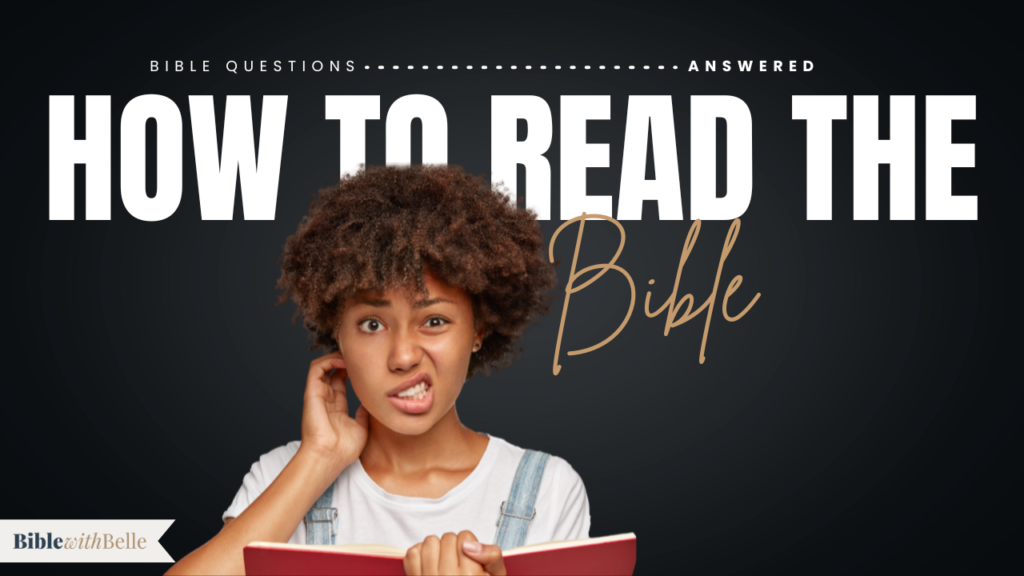
If you are new to the Bible, you might look at it and wonder where you are even supposed to start. It is a big book with history, poetry, prophecy, wisdom, stories and teachings, so it can feel overwhelming when you first open it.
The good news is that you do not need to understand everything at once. You also do not need to read the entire Bible before you can begin growing in your relationship with God. Start where you are, take your time and allow yourself to learn as you go.
Why Should I Read the Bible?
The Bible is God’s Word, and it teaches us who He is, what He has done and how He wants us to live. As you read Scripture, you begin to understand God’s character, His promises and His plan for humanity.
Reading the Bible is not about rushing through as many chapters as possible. It is about getting to know God and allowing His Word to shape the way you think and live.
Psalm 119:105 — God’s Word Guides Us
“Thy word is a lamp unto my feet, and a light unto my path.”
You may not understand everything you read straight away, but that is okay. Think of reading the Bible as learning to walk with God one step at a time.
Where Should I Start Reading the Bible?
If you are completely new to the Bible, I would recommend starting with the Gospel of John.
John introduces you to Jesus and explains who He is, why He came and what it means to believe in Him. Since Christianity is centred around Jesus, getting to know Him is a great place to begin.
Start With the Gospel of John
The Gospel of John is found in the New Testament. It tells us about Jesus’ ministry, His teachings, His miracles, His death and His resurrection.
You do not need to understand the whole Bible before reading about Jesus. Start with His life and allow that to give you a foundation for understanding the rest of Scripture.
You Can Also Read Psalms
Psalms is another helpful place to read, especially when you are learning how to talk to God.
The Psalms contain prayers, worship, sadness, joy, fear, anger, hope and trust. They show us that we can bring our real emotions to God rather than pretending everything is fine.
Proverbs Gives Practical Wisdom
Proverbs is also a good choice if you want practical guidance for everyday life.
It talks about things such as wisdom, relationships, speech, money, work, self-control and making good decisions. You can read a small section at a time and think about how the wisdom applies to your own life.
Do I Have to Start at Genesis?
No, you do not have to begin at Genesis.
Genesis is an important book and gives us the beginning of the biblical story, including creation, the fall of humanity, Noah, Abraham, Isaac, Jacob and Joseph. However, some people find the Bible easier to understand when they first learn about Jesus through the New Testament.
Starting with John can give you a clear foundation before you work your way through the rest of the Bible.
Eventually, you can read Genesis and the rest of the Old Testament with a better understanding of how they connect to God’s larger plan.
How Much of the Bible Should I Read Each Day?
You do not need to read huge portions of Scripture every day.
If you are new to Bible reading, even 5–10 minutes a day can be a good place to start. You could read one chapter, a few verses or a short passage and spend some time thinking about what you have read.
Consistency is more important than trying to read a large amount and then giving up because it feels overwhelming.
Joshua 1:8 — Meditate on God’s Word
“This book of the law shall not depart out of thy mouth; but thou shalt meditate therein day and night, that thou mayest observe to do according to all that is written therein: for then thou shalt make thy way prosperous, and then thou shalt have good success.”
The goal is not simply to get through the pages. We want God’s Word to become something we think about and apply to our lives.
Pray Before You Read
You do not have to say a complicated prayer before opening the Bible.
Simply ask God to help you understand what you are reading and show you how it applies to your life.
You might pray something as simple as, “God, please help me understand Your Word and show me what You want me to learn today.”
Psalm 119:18 — Ask God for Understanding
“Open thou mine eyes, that I may behold wondrous things out of thy law.”
Prayer helps us approach Scripture with the right attitude. We are not simply reading another book. We are coming to God’s Word and asking Him to help us understand it.
What If I Don’t Understand What I’m Reading?
Do not worry if you read a passage and have no idea what it means.
The Bible contains some very simple passages and some extremely difficult ones. Even people who have studied Scripture for many years continue to discover new things.
If you do not understand something, keep reading and come back to it later. Look at the verses before and after it so you can understand the context, and compare what you think it means with other passages of Scripture.
You do not need to have every answer before you can continue reading.
Choose a Bible Translation You Can Understand
There are many English Bible translations, and they are not all worded in exactly the same way.
If you are struggling with older or more formal language, you may find a modern translation easier to understand. The NIV, NLT and ESV are examples of translations many people use, although each has a slightly different approach to translating the original languages.
The important thing is to choose a trustworthy translation that you can actually understand and read consistently.
Take Notes as You Read
You may find it helpful to keep a notebook beside you while reading.
Write down verses that stand out to you, questions you have or things you want to learn more about. You could also write down something you believe God is teaching you through the passage.
You do not need to turn every Bible reading into a detailed Bible study. Sometimes simply writing down one thing that stood out can help you remember it.
Don’t Try to Understand Everything at Once
One of the biggest mistakes a new Christian can make is thinking they need to understand the entire Bible immediately.
You don’t.
There are passages that may make more sense after you have read other parts of Scripture. Some ideas become clearer as you learn more about God’s character and understand the overall story of the Bible.
Give yourself permission to learn gradually.
Proverbs 2:6 — God Gives Wisdom
“For the LORD giveth wisdom: out of his mouth cometh knowledge and understanding.”
Ask God for wisdom, keep studying and allow yourself time to grow.
Read the Bible in Context
It is important not to take one verse completely out of context.
Before deciding what a verse means, read the surrounding verses and consider who was speaking, who was being spoken to and what was happening in the passage.
This becomes especially important when you come across difficult verses.
The Bible is made up of many individual books, but they all fit into the larger story of God’s relationship with humanity and His plan of salvation.
Don’t Compare Your Bible Reading to Someone Else’s
You might meet someone who reads five chapters every morning and knows the Bible extremely well.
That does not mean you need to do the same thing.
If you are just starting, your Bible reading may look very different from someone who has been studying Scripture for twenty years.
Focus on building your own relationship with God rather than comparing yourself with someone else.
What If I Miss a Day?
Don’t give up because you missed a day.
You do not need to start over or feel guilty because you did not read your Bible yesterday.
Simply pick it up again today.
The purpose of reading Scripture is not to create a perfect streak. It is to grow closer to God and learn His Word.
If you miss a few days, just continue from where you left off.
Don’t Read the Bible Just to Finish It
It can be tempting to treat Bible reading like a challenge where the goal is to finish the whole thing as quickly as possible.
Reading the entire Bible is a wonderful goal, but finishing it is not the most important thing.
You could read the whole Bible and still miss what God is trying to teach you if you never stop to think about what you are reading.
Take your time.
Think about the passage.
Ask what it teaches you about God and how it applies to your life.
James 1:22 — Put God’s Word Into Practice
“But be ye doers of the word, and not hearers only, deceiving your own selves.”
God does not want us simply to hear His Word.
He wants His Word to change the way we live.
What Should I Ask When I Read the Bible?
If you don’t know how to study a passage, start with a few simple questions.
What does this passage tell me about God?
What does it teach me about people?
Is there something I need to change or obey?
Is there a promise I can trust?
Is there something I don’t understand that I should study further?
These questions can help you slow down and think about what you are actually reading rather than simply moving from one verse to the next.
What If the Bible Feels Boring?
Sometimes people expect that every time they open the Bible they will immediately feel something powerful.
That does not always happen.
There may be days when a passage feels exciting and other days when you find it difficult to concentrate. You may come across genealogies, laws or historical details that you do not immediately understand.
That does not mean the Bible is not valuable.
Keep reading and ask God to help you understand what you are learning. As you become more familiar with Scripture, you will also begin to see how different books and passages connect with one another.
Read About Jesus
If you are completely new to Christianity, keep coming back to Jesus.
The Bible is not simply a collection of moral lessons. It tells the story of God’s plan of salvation, which reaches its fulfilment in Jesus Christ.
John 1:1 — Jesus Is the Word
“In the beginning was the Word, and the Word was with God, and the Word was God.”
As you read the Bible, you will begin to understand more about who Jesus is and what He came to do.
The more you understand Jesus, the more the rest of the Bible begins to make sense.
Let God’s Word Become Part of Your Daily Life
The Bible is not meant to stay on a shelf.
What you learn should gradually affect the way you think, speak, make decisions and treat other people.
Psalm 1:2–3 — Delight in God’s Word
“But his delight is in the law of the LORD; and in his law doth he meditate day and night.
And he shall be like a tree planted by the rivers of water, that bringeth forth his fruit in his season; his leaf also shall not wither; and whatsoever he doeth shall prosper.”
The more you spend time in God’s Word, the more familiar His truth becomes.
Over time, verses you have read may come back to you when you need encouragement, wisdom or direction.
A Simple Bible Reading Routine for Beginners
If you don’t know where to begin, you can keep it very simple.
Start with the Gospel of John and read one chapter a day. Before you begin, pray and ask God to help you understand His Word. As you read, write down anything that stands out to you or any questions you have.
After finishing John, you could move on to another Gospel such as Matthew, Mark or Luke. You can then explore Acts and other books of the New Testament while gradually working your way through the Old Testament as well.
There is no need to rush.
Remember That Bible Reading Is About Knowing God
The most important thing to remember when you begin reading the Bible is that you are not trying to impress God.
You are not earning His love by reading a certain number of chapters.
You are learning about the God who already loves you and has made a way for you to know Him through Jesus.
John 17:3 — Knowing God
“And this is life eternal, that they might know thee the only true God, and Jesus Christ, whom thou hast sent.”
That is the heart of it.
You are not simply trying to finish a book.
You are getting to know God.
How Do I Start Reading the Bible If I’m New?
If you are completely new to the Bible, don’t make it harder than it needs to be.
Start with the Gospel of John. Read a small amount each day, pray before you begin and take your time. Write down questions rather than worrying that you should already know the answers, and remember that understanding the Bible takes time.
You do not have to know everything before you start.
You simply need to open God’s Word and begin.
Psalm 119:105 — Let God’s Word Guide You
“Thy word is a lamp unto my feet, and a light unto my path.”
You may not see the whole path yet, and you don’t need to.
Take the next step.
Read the next chapter.
Ask God to teach you.
As you continue reading, praying and learning, you will begin to understand more about who God is, who you are in Christ and how He wants you to live.
Don’t worry about reading the Bible perfectly. Just start reading it, keep seeking God and allow His Word to guide you one step at a time.
✨ Still Have a Question?
You can send it through the Ask a Bible Question page, and I’ll respond with guidance from God’s Word.
You can also leave your questions on my YouTube channel. This is where I regularly share Bible verses, encouragement, and answers to common questions.