Bible Verses About Kindness
July 9, 2024
Bible Verses About Discipline
July 9, 2024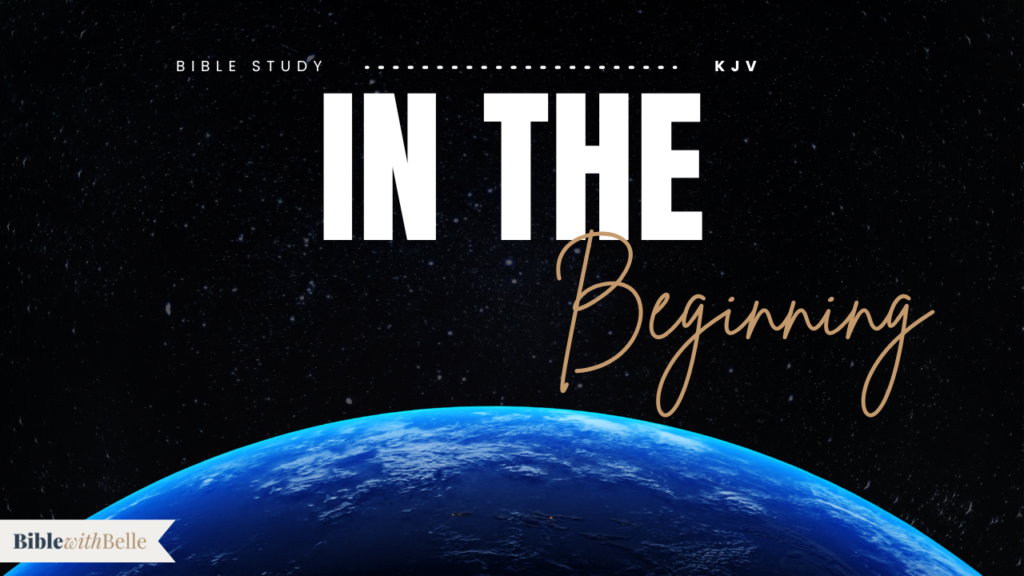
When you look at the beauty of the world around you, it is easy to be amazed by how much there is to see. From the vastness of the night sky to the smallest details of a flower, creation gives us so much to appreciate. The Bible invites us to look beyond the beauty of the world itself and consider the God who made it.
The creation account in Genesis establishes one of the most fundamental truths of the Christian faith: God is the Creator of heaven and earth. Throughout Scripture, we see that His creation displays His power, wisdom, and glory. We also learn that humanity has a unique place within creation and a responsibility to care for what God has entrusted to us.
Whether you want to understand what the Bible says about the beginning of the world, discover verses about God’s creative power, or learn how creation should influence your faith, these Scriptures will help you explore what God’s Word teaches.
Quick Answer: What Does the Bible Say About Creation?
The Bible teaches that God created the heavens, the earth, and everything in them. Genesis 1 describes God bringing the world into existence and creating life according to His purpose. The New Testament also teaches that all things were created through Jesus Christ and continue to be sustained by Him.
Creation reveals God’s power and glory, while the creation of humanity in His image establishes the dignity and value of every person. Scripture also teaches that God entrusted humanity with responsibility for the earth and its living creatures.
Ultimately, creation points us toward the Creator. Christians are called to worship God, appreciate His handiwork, respect human life, and faithfully care for the world He has made.
Bible Verses About God Creating the Heavens and the Earth
The Bible begins with a direct declaration about the origin of creation. Before it describes the formation of the earth, the stars, or living creatures, it establishes that God is the One who created everything.
Genesis 1:1
In the beginning God created the heaven and the earth.
These opening words establish the foundation of the biblical account of creation. God existed before the heavens and the earth, and everything that belongs to creation owes its existence to Him.
Genesis does not begin by presenting God as one part of the universe. Instead, it presents Him as the Creator who brings the universe into existence. The world is not independent of Him, and creation does not exist as an object of worship in its own right.
This truth shapes the Christian understanding of life and the world around us. Our existence is not separate from God’s purposes, and the things we enjoy are not ultimately our own possessions. Everything belongs to the One who made it.
When we consider creation, we have an opportunity to respond with gratitude and worship. Rather than treating the world as something without meaning, we can recognise it as God’s handiwork and seek to understand our place within His purposes.
Genesis 1:31
And God saw every thing that he had made, and, behold, it was very good. And the evening and the morning were the sixth day.
At the end of the sixth day, after creating humanity and the other living creatures, God declared His creation to be very good.
This statement tells us something important about God’s original design. The world He created was not presented as meaningless or inherently evil. It was a good creation, made according to His wisdom and purpose.
The brokenness we experience in the world today must be understood alongside the later biblical account of humanity’s disobedience and the entrance of sin into the world. Genesis 3 explains how sin disrupted humanity’s relationship with God and brought consequences into human life.
The goodness of creation also reminds us that the physical world matters. Our bodies, the earth, animals, and the natural world are not things we should automatically regard as worthless or separate from God’s concern. They belong to His creation and should be treated with appropriate care and respect.
Bible Verses About God Creating All Things Through Jesus Christ
The New Testament reveals that Jesus Christ is central to the biblical account of creation. The One who came into the world to save sinners is also the One through whom all things were made.
John 1:1–3
In the beginning was the Word, and the Word was with God, and the Word was God.
The same was in the beginning with God.
All things were made by him; and without him was not any thing made that was made.
John begins his Gospel by describing the Word, who is revealed in the opening chapter as Jesus Christ. These verses establish both His eternal existence and His role in creation.
Jesus did not begin to exist when He was born in Bethlehem. John presents Him as existing in the beginning, in relationship with God and possessing the divine nature. All things were made through Him, meaning that He is not merely another part of creation.
This truth is essential to understanding who Jesus is. He is not simply a teacher who appeared in history to offer moral guidance. He is the eternal Word through whom all things were made, who came into the world to reveal God and bring salvation.
The connection between creation and redemption is remarkable. The Creator entered His creation to save people from sin and reconcile them to God. When we worship Jesus Christ, we worship the One through whom all things were made.
Colossians 1:15–17
Who is the image of the invisible God, the firstborn of every creature:
For by him were all things created, that are in heaven, and that are in earth, visible and invisible, whether they be thrones, or dominions, or principalities, or powers: all things were created by him, and for him:
And he is before all things, and by him all things consist.
Paul explains the supremacy of Jesus Christ by describing His relationship to creation. Everything visible and invisible was created through Him and for Him, and He existed before all created things.
The phrase “firstborn of every creature” should not be understood to mean that Jesus was the first created being. The surrounding verses make clear that all things were created through Him and that He existed before them. In this context, the language points to His supremacy and authority over creation.
Paul also teaches that all things continue to exist through Christ’s sustaining power. Creation is not independent of Him, and the universe does not ultimately depend on human wisdom or strength to hold it together.
This gives Christians a reason to trust in Jesus beyond the circumstances of everyday life. The One who sustains all things is not limited by our understanding or abilities. He is Lord over creation, and our hope rests in His power and faithfulness.
Bible Verses About Humanity Being Created in God’s Image
One of the most significant parts of the creation account is the creation of humanity. Scripture teaches that people have a unique place within God’s creation because God made mankind in His image.
Genesis 1:26–27
And God said, Let us make man in our image, after our likeness: and let them have dominion over the fish of the sea, and over the fowl of the air, and over the cattle, and over all the earth, and over every creeping thing that creepeth upon the earth.
So God created man in his own image, in the image of God created he him; male and female created he them.
These verses teach that human beings were created in God’s image. This gives human life a dignity that does not depend on wealth, intelligence, physical ability, social position, or personal achievements.
Every person has value because they are part of God’s creation. This truth should influence how we treat others, including people who are different from us or who cannot offer us anything in return.
Being made in God’s image does not mean that human beings are equal to God or possess all His attributes. Rather, humanity has a unique relationship to the Creator and a responsibility to represent His character and exercise the authority He has entrusted to us.
The passage also connects humanity’s creation with responsibility for the earth. People are given dominion over other living creatures, but this authority belongs under God’s authority. It should not be understood as permission to treat creation carelessly or exploit it without concern.
Recognising that every person bears God’s image should lead us toward greater respect for human life, compassion for others, and a willingness to treat people with dignity.
Psalm 139:13–14
For thou hast possessed my reins: thou hast covered me in my mother’s womb.
I will praise thee; for I am fearfully and wonderfully made: marvellous are thy works; and that my soul knoweth right well.
David praises God for His intimate knowledge of him and His involvement in his formation in the womb. The passage celebrates God’s creative wisdom and the remarkable nature of human life.
The words “fearfully and wonderfully made” express awe at God’s handiwork. David recognises that his existence is not hidden from God and that the Lord knows him completely.
These verses can encourage us to recognise the value of human life, including life that others might overlook or undervalue. Our worth does not rest solely on what we can accomplish, how we look, or how other people evaluate us.
At the same time, this passage is not saying that every person will feel healthy, confident, or happy with their body at all times. People experience disability, illness, grief, and many other difficulties. The comfort of the passage is that God knows us intimately and that His creative work is worthy of our reverence.
When you struggle to see your own worth, remember that your value is not determined by comparison with others. You are known by your Creator, and every person deserves to be treated with dignity.
Bible Verses About Creation Revealing God’s Glory
Throughout Scripture, creation is described as a testimony to the greatness of God. The heavens, the earth, and the order of the natural world point beyond themselves to the One who made them.
Psalm 19:1–4
The heavens declare the glory of God; and the firmament sheweth his handywork.
Day unto day uttereth speech, and night unto night sheweth knowledge.
There is no speech nor language, where their voice is not heard.
Their line is gone out through all the earth, and their words to the end of the world. In them hath he set a tabernacle for the sun,
David describes the heavens as declaring God’s glory. The sky and its vastness provide a powerful picture of the Creator’s greatness, while the regularity of day and night points to the order present throughout creation.
The psalm uses poetic language to describe a testimony that reaches across the world. The heavens do not speak with human words, yet their existence and beauty point people toward the power and majesty of God.
This passage encourages us to look at creation with a sense of wonder. We can become so accustomed to the world around us that we stop noticing it, but the heavens continue to display God’s handiwork.
Whether you are looking at a sunrise, observing the stars, or standing beside the ocean, creation can remind you to turn your attention toward the Creator. Its beauty is not meant to replace God in our worship but to direct our praise toward Him.
Romans 1:19–20
Because that which may be known of God is manifest in them; for God hath shewed it unto them.
For the invisible things of him from the creation of the world are clearly seen, being understood by the things that are made, even his eternal power and Godhead; so that they are without excuse:
Paul explains that God’s creation provides a testimony to His eternal power and divine nature. Although God is invisible, aspects of His power and nature can be recognised through what He has made.
The surrounding passage addresses humanity’s refusal to honour God and the ways people exchange the truth of God for false worship. Paul’s point is not simply that nature is beautiful. He is explaining that creation gives humanity a witness to God’s reality and power, making our response to Him significant.
This passage also warns against worshipping created things instead of the Creator. The world may inspire awe, but our worship belongs to God alone.
Creation can prompt us to ask deeper questions about our existence and the One who made us. Scripture directs us beyond simply admiring the world toward recognising our responsibility to honour the God who created it.
Bible Verses About God’s Wisdom in Creation
Creation displays not only God’s power but also His wisdom. The Bible repeatedly describes the world as the work of a Creator whose understanding is far greater than our own.
Psalm 104:24
O LORD, how manifold are thy works! in wisdom hast thou made them all: the earth is full of thy riches.
Psalm 104 celebrates God’s work throughout creation. The psalm describes the earth, the waters, animals, plants, and the ways God provides for living creatures.
David’s words express wonder at the variety and richness of what God has made. Creation is not presented as a meaningless collection of objects but as a world filled with life and evidence of divine wisdom.
The verse also encourages humility. Human beings can learn a great deal about the natural world, yet our knowledge remains limited. Recognising God’s wisdom reminds us that we are not the ultimate source of truth or understanding.
When we appreciate the complexity and variety of creation, we can respond with gratitude and a desire to care for what God has made. We can also approach the unknown with humility, recognising that our understanding does not equal His.
Jeremiah 32:17
Ah Lord GOD! behold, thou hast made the heaven and the earth by thy great power and stretched out arm, and there is nothing too hard for thee:
Jeremiah offers this prayer while Jerusalem faces a time of severe crisis. He acknowledges God’s power as Creator before expressing confidence in His ability to accomplish what He has promised.
The verse reminds us that the God who made heaven and earth is not limited by human weakness. His power is greater than the difficulties we face, and His purposes do not depend on our ability to understand every detail.
However, this does not mean God promises to give us everything we want or remove every hardship immediately. Jeremiah’s confidence rests in God’s character and purposes, even in a difficult historical situation.
When life feels uncertain, remembering God as Creator can help us place our circumstances within a bigger perspective. We can trust His wisdom while acknowledging that we may not understand everything He allows or how His plans will unfold.
Bible Verses About God Sustaining His Creation
The Bible teaches that God did not simply create the world and then leave it to exist independently of Him. Scripture describes Him as the One who continues to uphold creation and provide for His creatures.
Nehemiah 9:6
Thou, even thou, art LORD alone; thou hast made heaven, the heaven of heavens, with all their host, the earth, and all things that are therein, the seas, and all that is therein, and thou preservest them all; and the host of heaven worshippeth thee.
In this passage, the people of Israel acknowledge God’s greatness and faithfulness as they confess their history and worship Him. They recognise that He created the heavens, the earth, the seas, and everything within them.
The verse also declares that God preserves His creation. His authority extends over everything He has made, and the existence of creation remains dependent on Him.
This truth should lead us toward worship and humility. We are not independent of our Creator, and the world does not ultimately belong to us. Every part of creation remains under God’s authority.
It is also a reminder to give thanks for the world we inhabit. The earth, its resources, and the living creatures within it are gifts that should be treated with care rather than taken for granted.
Hebrews 1:3
Who being the brightness of his glory, and the express image of his person, and upholding all things by the word of his power, when he had by himself purged our sins, sat down on the right hand of the Majesty on high;
The writer of Hebrews describes the Son as the radiance of God’s glory and the One who upholds all things by His powerful word. The passage connects Christ’s divine authority with His saving work.
Jesus is not only the One through whom creation came into existence; He also sustains it. The same passage points to His accomplishment in cleansing people from their sins and His exalted position at God’s right hand.
This reminds us that the Christian faith holds creation and salvation together. Jesus Christ is Lord over all things, and His work on the cross provides the way for sinners to be reconciled to God.
When we consider the vastness of creation, we can remember that Christ’s power is not limited to the things we understand. He sustains all things, and our hope rests in the One who has accomplished our salvation.
Bible Verses About Caring for God’s Creation
God gave humanity a responsibility to care for the earth and the living creatures within it. This responsibility flows from the fact that creation belongs to Him and that people have been entrusted with a role within His world.
Genesis 2:15
And the LORD God took the man, and put him into the garden of Eden to dress it and to keep it.
This verse describes God placing Adam in the Garden of Eden with the responsibility to work it and keep it. Even before the entrance of sin into the world, humanity had a meaningful role in caring for the place God had provided.
The words “dress it and to keep it” communicate work and stewardship. Caring for creation was not presented as an unnecessary burden but as part of humanity’s responsibility within God’s good world.
This principle remains relevant to how we use the resources available to us. We can seek to avoid unnecessary waste, treat animals responsibly, and make thoughtful choices about the world we have been entrusted to inhabit.
Christians may differ about the best practical approaches to particular environmental questions, but the biblical principle of responsible stewardship is clear: we should not treat God’s creation as though it has no value or that we have unlimited permission to misuse it.
Psalm 24:1–2
The earth is the LORD’S, and the fulness thereof; the world, and they that dwell therein.
For he hath founded it upon the seas, and established it upon the floods.
David declares that the earth and everything in it belong to the Lord. God is the rightful owner of creation because He established it.
This truth challenges the idea that human beings possess absolute ownership over the world. We may own property or manage resources, but our authority remains limited and accountable to God.
The passage also reminds us that humanity itself belongs to the Creator. Our lives are not ultimately our own in an absolute sense; we are accountable to the One who made us.
When we understand creation in this way, stewardship becomes an act of faithfulness. We can appreciate the earth, use its resources wisely, and recognise that our responsibilities extend beyond our immediate interests.
Bible Verses About the Purpose of Creation
Creation is not an end in itself. Scripture teaches that all things ultimately exist under God’s authority and for His glory. This gives the world a purpose beyond what we can see or experience in our everyday lives.
Revelation 4:11
Thou art worthy, O Lord, to receive glory and honour and power: for thou hast created all things, and for thy pleasure they are and were created.
In this scene from Revelation, heavenly worshippers praise God because He is worthy of glory, honour, and power. Their worship recognises that He created all things and that creation exists according to His will.
This verse reminds us that God is not merely a useful part of our lives or someone we turn to when we need help. He is the Creator and rightful Lord of all things, worthy of our worship because of who He is.
Understanding this changes how we approach life. Rather than treating our own desires as the highest authority, we are called to live in a way that honours God and recognises His purposes.
Creation points us toward worship because it reminds us that everything begins with Him and ultimately belongs to Him.
How Should Christians Respond to God’s Creation?
The Bible’s teaching about creation is not simply information about how the world began. It also shapes how we worship God, treat other people, and care for the world around us.
1. Worship the Creator
When you see the beauty or complexity of the natural world, let it remind you of God’s power and wisdom. Creation can encourage you to praise the One who made it rather than directing your worship toward the created things themselves.
2. Recognise the value of every person
Because humanity was created in God’s image, every person deserves dignity and respect. This includes people who are vulnerable, disadvantaged, or different from us. Our treatment of others should reflect the value God has given human life.
3. Care for what God has entrusted to you
Responsible stewardship can begin with ordinary decisions. Use resources thoughtfully, avoid unnecessary waste where possible, and treat animals and the natural world with care. These actions are practical ways to recognise that creation belongs to God.
4. Approach life with humility
Creation reminds us that God’s wisdom is greater than our own. We can continue learning and asking questions while recognising that we do not have complete understanding of everything God has made.
5. Remember that creation points to Christ
The New Testament teaches that all things were created through Jesus Christ. The One who made the world also came to save sinners. Creation can lead us to consider God’s greatness, while the Gospel reveals what He has done to reconcile us to Himself through Jesus.
What Does Creation Teach Us About God?
The Bible reveals several important truths about God through its teaching on creation.
God is powerful. He created the heavens and the earth, and nothing in creation exists independently of Him.
God is wise. The variety and richness of creation testify to His wisdom and purpose.
God is worthy of worship. The world points beyond itself to the One who made it, and Scripture calls us to give Him the glory He deserves.
God values human life. Humanity was created in His image, giving every person dignity and a unique responsibility within creation.
God sustains what He has made. Scripture presents God as the One who continues to uphold creation rather than abandoning it to exist independently.
These truths help us understand why creation matters to the Christian faith. It is part of the larger biblical story of God’s purposes, humanity’s relationship with Him, the entrance of sin, and the salvation He provides through Jesus Christ.
Final Thoughts on Bible Verses About Creation
The Bible teaches that God created the heavens, the earth, and everything within them. His creation displays His power and wisdom, humanity bears His image, and all things continue to exist under His authority.
These truths give us reasons to worship God, appreciate the world around us, respect the dignity of other people, and take our responsibility for creation seriously.
Creation also reminds us that we are not the centre of everything. The world belongs to God, and our lives find their proper meaning when we recognise Him as Creator and Lord.
As you look at the sky, observe the natural world, or reflect on the remarkable complexity of life, let these things direct your attention toward the One who made them. The beauty of creation is a reminder of God’s greatness, but the Bible invites us to go further than admiration alone.
We are called to know the Creator, honour Him with our lives, and trust in Jesus Christ, through whom all things were made and through whom sinners can be reconciled to God.
✨ Still Have a Question?
You can send it through the Ask a Bible Question page, and I’ll respond with guidance from God’s Word.
You can also leave your questions on my YouTube channel, where I share clear, practical encouragement, and answers to common questions.