
Bible Verses For Different Situations
August 1, 2024
Bible Verses about Worship
August 2, 2024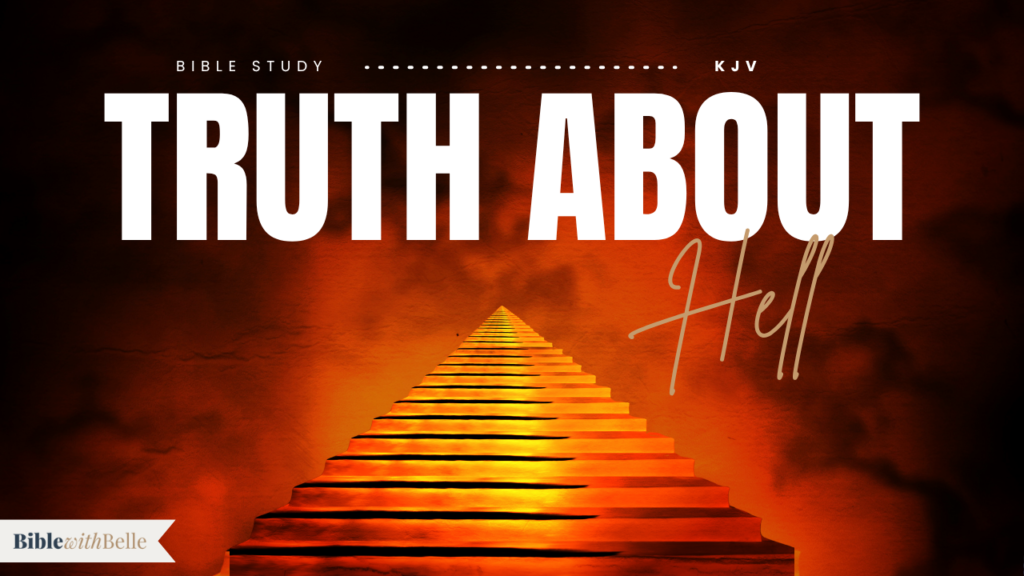
Hell is one of the hardest subjects to think about, and it’s understandable if you have questions or even feel frightened when you read what the Bible says about it. Jesus spoke about judgment, eternal punishment and the seriousness of rejecting God. These are not teachings we should ignore simply because they make us uncomfortable.
But we also need to understand why the Bible speaks about judgment and what it tells us about God’s mercy. God has not left us without hope. The message of the gospel is that Jesus Christ came to save sinners, and through Him we can receive forgiveness and eternal life.
Let’s look at what Scripture teaches about hell, the final judgment and the hope God offers through Jesus.
Quick Answer
The Bible teaches that God will judge humanity and that there are eternal consequences for our response to Him. Jesus warned about hell and described the final separation between those who receive eternal life and those who face eternal punishment. Scripture also teaches that salvation is available through Jesus Christ, who died and rose again so that those who believe in Him may have eternal life.
Christians differ on some details concerning the nature of hell, including how particular biblical images should be understood. However, the Bible’s warnings about judgment are serious, and its invitation to repent and trust in Jesus is just as important.
What Does the Bible Say About Hell?
The Bible describes hell using powerful images, including fire, darkness, destruction and exclusion from God’s kingdom. These descriptions communicate the seriousness of divine judgment, although Christians differ on how some of the imagery should be interpreted.
Jesus spoke about hell more than once. He did not treat judgment as an unimportant subject, and He warned people not to live as though their choices had no eternal significance.
Matthew 10:28
And fear not them which kill the body, but are not able to kill the soul: but rather fear him which is able to destroy both soul and body in hell.
Jesus reminded His disciples that earthly threats are not the greatest reality they need to consider. Human beings may harm the body, but God has authority over final judgment.
This verse calls us to take God seriously. Our lives are not simply about what happens in this world, and we should not assume that our choices have no consequences beyond it.
At the same time, Jesus’ warning is not an invitation to live in constant terror. The wider message of Scripture directs us towards repentance, faith and reconciliation with God through Christ. We should take His warnings seriously while also receiving the hope He offers.
Bible Verses About Eternal Judgment
The Bible teaches that judgment is real and that every person is accountable to God. Our lives matter, our choices matter, and evil will not remain unanswered forever.
Hebrews 9:27
And as it is appointed unto men once to die, but after this the judgment:
This verse reminds us that our earthly lives are not the whole story. Scripture teaches that death is followed by judgment, and we should not assume that we can ignore God indefinitely without consequence.
The thought of judgment can be uncomfortable, particularly when we recognise our own failures. But the purpose of understanding this teaching is not simply to frighten ourselves. It is to recognise our need for God’s mercy and to consider how we are responding to Him.
None of us can claim to have lived a perfectly righteous life. The gospel tells us that we need a Saviour, and Jesus Christ is the One God has provided.
Jesus Warned About the Danger of Hell
Some people prefer to think of Jesus only as a teacher of love and kindness. He certainly demonstrated extraordinary compassion, but He also spoke clearly about sin, repentance and judgment.
His warnings were not separate from His love. He called people to turn away from sin and come to God rather than continue down a path that leads to destruction.
Mark 9:43-48
And if thy hand offend thee, cut it off: it is better for thee to enter into life maimed, than having two hands to go into hell, into the fire that never shall be quenched:
Where their worm dieth not, and the fire is not quenched.
And if thy foot offend thee, cut it off: it is better for thee to enter halt into life, than having two feet to be cast into hell, into the fire that never shall be quenched:
Where their worm dieth not, and the fire is not quenched.
And if thine eye offend thee, pluck it out: it is better for thee to enter into the kingdom of God with one eye, than having two eyes to be cast into hell fire:
Where their worm dieth not, and the fire is not quenched.
Jesus used striking language to show how seriously we should treat sin. He was not instructing people to physically mutilate themselves. He was emphasising that we must be willing to deal decisively with anything that leads us into sin.
We can sometimes become comfortable with behaviour that we know is wrong. We make excuses, tell ourselves we’ll change later or convince ourselves that our choices don’t matter very much. Jesus challenges that attitude.
Following Him means taking sin seriously and being willing to turn away from it. If a habit, relationship or activity repeatedly draws you into destructive behaviour, you may need to establish firm boundaries and seek help rather than continuing to make excuses.
The warning about hell reminds us that this is not something to treat casually.
What Is the Final Judgment?
The Bible describes a future judgment in which God will bring evil to account. Human beings may escape justice in this world, and some people may appear to prosper despite doing terrible things, but Scripture teaches that God sees what has happened and will judge with righteousness.
Revelation 20:11-15
And I saw a great white throne, and him that sat on it, from whose face the earth and the heaven fled away; and there was found no place for them.
And I saw the dead, small and great, stand before God; and the books were opened: and another book was opened, which is the book of life: and the dead were judged out of those things which were written in the books, according to their works.
And the sea gave up the dead which were in it; and death and hell delivered up the dead which were in them: and they were judged every man according to their works.
And death and hell were cast into the lake of fire. This is the second death.
And whosoever was not found written in the book of life was cast into the lake of fire.
This passage describes the final judgment in Revelation. Nobody is hidden from God, and nobody’s life is beyond His knowledge.
The reference to people being judged according to their works shows that our lives matter to God. Our actions reveal something about how we have lived, and evil cannot simply be dismissed as though it never happened.
However, the Bible also teaches that salvation is a gift of God’s grace, received through faith in Jesus Christ. We are not saved by presenting God with a record of perfect behaviour. We need the forgiveness and redemption that Christ provides.
The final judgment is a warning that we should not treat sin lightly. It is also a reminder that God will ultimately deal with evil and bring His purposes to completion.
Bible Verses About Eternal Punishment
Jesus taught that the final judgment involves a real distinction between eternal life and eternal punishment. Christians have debated the precise nature of this punishment, but the seriousness of His warning is clear.
Matthew 25:31-34
When the Son of man shall come in his glory, and all the holy angels with him, then shall he sit upon the throne of his glory:
And before him shall be gathered all nations: and he shall separate them one from another, as a shepherd divideth his sheep from the goats:
And he shall set the sheep on his right hand, but the goats on the left.
Then shall the King say unto them on his right hand, Come, ye blessed of my Father, inherit the kingdom prepared for you from the foundation of the world:
Jesus describes Himself as the King who will judge the nations and separate people from one another. The passage goes on to describe the judgment of those on His left.
Matthew 25:41
Then shall he say also unto them on the left hand, Depart from me, ye cursed, into everlasting fire, prepared for the devil and his angels:
And Jesus concludes the passage by contrasting the outcomes of the righteous and the unrighteous.
Matthew 25:46
And these shall go away into everlasting punishment: but the righteous into life eternal.
These verses are sobering. Jesus does not present eternal life and eternal punishment as insignificant possibilities. He warns His listeners about the seriousness of the final judgment.
Christians differ in how they understand the nature of everlasting punishment. Some understand the biblical descriptions to teach conscious, eternal punishment, while others interpret certain images in light of the Bible’s language about destruction and the second death. Christians also differ on how particular passages fit together.
Those differences should be acknowledged honestly, but they should not become an excuse to ignore Jesus’ warning. Scripture calls us to take judgment seriously and to seek God while we have the opportunity.
Is Hell Separation From God?
The Bible uses several descriptions when speaking about final judgment. One of them concerns being shut out from the Lord’s presence and glory.
2 Thessalonians 1:8-9
In flaming fire taking vengeance on them that know not God, and that obey not the gospel of our Lord Jesus Christ:
Who shall be punished with everlasting destruction from the presence of the Lord, and from the glory of his power;
Paul describes judgment for those who reject God and disobey the gospel. The language of everlasting destruction is one of the reasons Christians discuss how the Bible’s descriptions of hell should be understood.
We should be careful not to reduce this passage to a simplistic statement that God is absent from every aspect of hell. Scripture teaches that God is sovereign over all things and that no one escapes His authority. The passage is speaking about the terrible judgment that comes upon those who reject the gospel.
The thought of facing judgment without sharing in the life and glory God promises to His people is serious. It reminds us that reconciliation with God is not something to take for granted.
Bible Verses About the Lake of Fire
Revelation uses the image of a lake of fire when describing the final defeat of evil and the judgment that follows. The imagery is vivid, and it must be read within the wider message of Revelation, a book that uses symbolic pictures to reveal God’s victory and judgment.
Revelation 20:10
And the devil that deceived them was cast into the lake of fire and brimstone, where the beast and the false prophet are, and shall be tormented day and night for ever and ever.
The verse describes the final judgment of the devil, the deceiver who has opposed God’s purposes. Evil does not ultimately win. Satan is not equal to God, and he will not rule forever.
Revelation 20:14
And death and hell were cast into the lake of fire. This is the second death.
Revelation presents the lake of fire as the second death. The imagery is part of the book’s description of the final judgment and the end of death’s reign.
Christians differ on how every detail of these images should be interpreted, but the overall message is clear: God will defeat evil, judge unrighteousness and bring His purposes to completion.
The Bible does not encourage us to become fascinated with frightening details while overlooking the gospel. These passages should move us towards reverence for God, seriousness about sin and gratitude for the salvation offered through Jesus Christ.
Will Unbelievers Go to Hell?
The Bible teaches that people must respond to Jesus Christ and that rejecting Him has serious consequences. Jesus spoke plainly about the relationship between belief, judgment and eternal life.
John 3:16-18
For God so loved the world, that he gave his only begotten Son, that whosoever believeth in him should not perish, but have everlasting life.
For God sent not his Son into the world to condemn the world; but that the world through him might be saved.
He that believeth on him is not condemned: but he that believeth not is condemned already, because he hath not believed in the name of the only begotten Son of God.
Notice that these verses speak about both judgment and God’s love. God sent His Son so that people might be saved, not because humanity had earned salvation, but because of His mercy.
The passage also warns that rejecting Christ leaves a person under condemnation. We should not dismiss that warning or assume that our own goodness can replace the need for a Saviour.
At the same time, we should be careful about declaring the eternal destiny of individual people. God knows each person’s heart and circumstances, and final judgment belongs to Him.
Our responsibility is to take the gospel seriously, respond to Jesus ourselves and share the message of salvation with others truthfully and compassionately.
Can You Be Saved From Hell?
Yes. The central message of the gospel is that God offers salvation through Jesus Christ. We have all sinned, and we cannot make ourselves righteous before God through our own efforts. But Jesus came into the world, died for our sins and rose again.
Salvation is not something we earn by becoming good enough. It is a gift of God’s grace, received through faith in Christ.
Ephesians 2:8-10
For by grace are ye saved through faith; and that not of yourselves: it is the gift of God:
Not of works, lest any man should boast.
For we are his workmanship, created in Christ Jesus unto good works, which God hath before ordained that we should walk in them.
Paul explains that salvation comes through God’s grace, not through our achievements. We cannot boast that we have earned our place before Him.
But notice that the passage also speaks about good works. They are not the price we pay to be saved; they are part of the life God calls us to live as His people. Genuine faith leads us towards repentance, obedience and a growing desire to follow Christ.
If you’re worried about your relationship with God, don’t respond by trying to earn salvation through religious activity or by becoming trapped in endless fear. Turn to Jesus Christ. Confess your sins, trust in what He has done and seek to follow Him.
Does God Want People to Go to Hell?
The Bible presents God as righteous in judgment and merciful towards sinners. He does not treat evil as though it doesn’t matter, but He also calls people to repent rather than continue in sin.
2 Peter 3:9
The Lord is not slack concerning his promise, as some men count slackness; but is longsuffering to us-ward, not willing that any should perish, but that all should come to repentance.
Peter explains that God’s patience should not be mistaken for indifference or a failure to act. He is longsuffering and calls people to repentance.
This verse offers a glimpse of God’s heart towards sinners. He gives people an opportunity to turn to Him rather than treating judgment as something to be taken lightly.
God’s patience does not mean that judgment will never come. Nor does this verse mean that everyone will inevitably be saved. Christians differ on how this passage relates to other biblical teachings about judgment, but it clearly presents repentance as something God calls people towards.
If you have been putting off taking your faith seriously, don’t assume you can wait indefinitely. You have an opportunity now to seek God, turn away from sin and respond to the gospel.
What About People Who Have Never Heard the Gospel?
This is a difficult question, and it is important not to claim more certainty than Scripture gives us. The Bible teaches that God is righteous, that He knows every person completely and that salvation is through Jesus Christ. It also teaches that people are accountable to God.
Romans 2:6-8
Who will render to every man according to his deeds:
To them who by patient continuance in well doing seek for glory and honour and immortality, eternal life:
But unto them that are contentious, and do not obey the truth, but obey unrighteousness, indignation and wrath,
Paul teaches that God’s judgment is righteous and that human conduct matters. The wider chapter addresses God’s impartiality and the accountability of all people before Him.
Christians differ on how Scripture’s teaching about God’s justice relates to those who have never heard the gospel clearly. We should not pretend that every detail has been answered in a way all Christians agree on.
What we can say is that God is not unjust, and He knows every person’s circumstances and heart more fully than we ever could. We should leave final judgment to Him while recognising the importance of sharing the good news of Jesus with those who have not heard it.
How Should Christians Respond to the Bible’s Teaching About Hell?
The Bible’s teaching about hell should not leave us simply frightened or curious about punishment. It should lead us to consider our relationship with God and the way we live.
Take sin seriously. Don’t assume that a behaviour is harmless simply because other people accept it. Be willing to examine your life in the light of Scripture and turn away from what God calls wrong.
Respond to Jesus Christ. The gospel is not merely a warning about what happens after death. It is the good news that Jesus came to save sinners. Trust Him rather than relying on your own goodness.
Share the gospel with compassion. We should not use the fear of hell to manipulate people or treat them harshly. Speak honestly about judgment while also explaining God’s love, the cross and the hope of forgiveness through Christ.
Remember that judgment belongs to God. We can explain what Scripture teaches without pretending to know the eternal destiny of every individual. God alone sees the whole person and judges with perfect knowledge.
Live with eternity in mind. Our lives matter, and our choices matter. Let the reality of judgment encourage you to seek God, love others, pursue what is right and share the hope you have in Jesus.
Final Thoughts on Hell and Eternal Judgment
The Bible’s teaching about hell and eternal judgment is serious, and we should not ignore it simply because it is uncomfortable. Jesus warned about the consequences of rejecting God, and Scripture teaches that a final judgment is coming.
But we must understand these warnings alongside the gospel. God has made a way for sinners to be forgiven and reconciled to Him through Jesus Christ. We do not have to earn salvation by becoming perfect. We are called to repent, place our faith in Christ and follow Him.
If this subject has frightened you, don’t let fear alone become the focus of your faith. Take time to understand what Scripture teaches, seek God honestly and consider the invitation Jesus offers. God’s warnings about judgment are real, and so is the hope of salvation.
You do not need to wait until you have everything figured out before turning to Him. Come to Christ, seek His forgiveness and learn to walk in His truth.
The message of the Bible is not simply that judgment is coming. It is also that Jesus Christ came to save us, and through Him we can receive eternal life.
✨ Still Have a Question?
You can send it through the Ask a Bible Question page, and I’ll respond with guidance from God’s Word.
You can also leave your questions on my YouTube channel, where I share clear, practical encouragement, and answers to common questions.