Bible Verses About Love
July 2, 2024
Bible Verses For A Funeral
July 3, 2024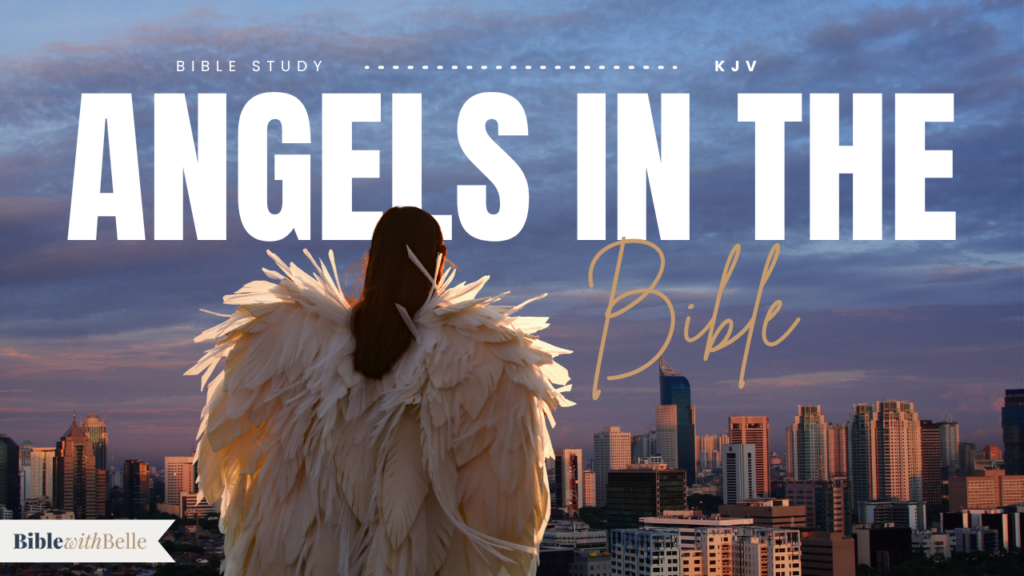
Angels are mentioned throughout the Bible, from the opening accounts of God’s creation to the final visions recorded in Revelation. They appear as messengers, servants of God, and powerful heavenly beings who carry out His purposes. Sometimes they bring messages of hope, while at other times they appear in moments of judgment or spiritual conflict.
Yet there are many questions about angels that Scripture does not answer in the way people might expect. Do we each have a guardian angel? Can angels protect us from danger? Do angels watch over our lives? And what does the Bible say about fallen angels?
Understanding what Scripture actually teaches is important because popular ideas about angels do not always agree with God’s Word. Angels are not human beings who have died, nor are they independent spiritual powers whom we should seek out or worship. They are created beings who serve God and carry out His will.
The Bible encourages us to recognise God’s work through His angels while keeping our attention on the One who created them. Our trust belongs to God, and our salvation is found in Jesus Christ.
Quick Answer: What Does the Bible Say About Angels?
The Bible teaches that angels are real spiritual beings created by God to serve Him and carry out His purposes. Scripture describes them delivering messages, worshipping God, ministering to His people, and participating in events connected with God’s judgment and kingdom.
Angels are powerful, but they are not equal to God. They are His servants, and the Bible makes clear that worship belongs to God alone.
Scripture also speaks about Satan and other angels who rebelled against God. These fallen angels oppose God’s purposes, but they do not possess power equal to His.
The Bible provides genuine reasons to believe in angels, but Christians should be careful not to turn speculation into doctrine. For example, Scripture does not explicitly promise that every person has one particular guardian angel assigned to them for life.
The central biblical teachings are clear: God created the angels, they serve His purposes, and believers should worship and trust God rather than become preoccupied with angels themselves.
What Are Angels According to the Bible?
Angels are spiritual beings created by God. They are distinct from human beings, and Scripture presents them as servants who carry out His will.
The Bible does not provide a complete account of when every angel was created or explain every aspect of their nature. However, it clearly identifies them as part of God’s creation and describes their service to Him.
Psalm 103:20–21 — Angels Who Obey God
Bless the LORD, ye his angels, that excel in strength, that do his commandments, hearkening unto the voice of his word.
Bless ye the LORD, all ye his hosts; ye ministers of his, that do his pleasure.
This passage describes angels as powerful beings who obey God’s commands and carry out His purposes. Their strength is significant, but their authority is not independent of Him.
Angels are not presented as spiritual forces operating according to their own desires. They serve the Lord and respond to His will.
The passage also reminds us that angels themselves are called to bless and honour God. They are not the centre of worship; God is.
When we study what the Bible says about angels, this distinction should remain central. Their existence points to the greatness of the Creator rather than making them objects of our devotion.
Colossians 1:16 — All Things Were Created Through Christ
For by him were all things created, that are in heaven, and that are in earth, visible and invisible, whether they be thrones, or dominions, or principalities, or powers: all things were created by him, and for him:
Paul explains that all things in heaven and earth, including invisible spiritual powers, were created through Christ and for Him.
This establishes an important truth about the spiritual world: angels are not eternal beings equal to God. They belong to His creation and exist under His authority.
Christians do not need to understand every detail about the heavenly realm to recognise that God is sovereign over it. The Bible directs our attention towards the Creator, who rules over everything visible and invisible.
What Do Angels Do in the Bible?
The Bible describes angels performing several important roles. They deliver messages, serve God, worship Him, and minister according to His purposes.
However, not every angel performs the same task, and Scripture does not tell us that angels are responsible for fulfilling every spiritual or practical need people experience.
Hebrews 1:14 — Angels as Ministering Spirits
Are they not all ministering spirits, sent forth to minister for them who shall be heirs of salvation?
The writer of Hebrews describes angels as ministering spirits sent to serve in connection with God’s purposes for those who will inherit salvation.
This verse helps us understand that angels are servants of God. They do not act as independent sources of salvation, nor do they replace Jesus Christ as the mediator between God and humanity.
Their ministry takes place under God’s authority. The verse gives believers a reason to recognise that God can use His heavenly servants, while reminding us that our confidence belongs to Him.
It is also important not to assume that this passage explains every way angels may serve or guarantees a particular angelic intervention in every person’s life. Scripture gives us a general description of their ministry without revealing every detail.
Psalm 148:2–5 — Angels Praise the Lord
Praise ye him, all his angels: praise ye him, all his hosts.
Praise ye him, sun and moon: praise him, all ye stars of light.
Praise him, ye heavens of heavens, and ye waters that be above the heavens.
Let them praise the name of the LORD: for he commanded, and they were created.
This psalm calls the heavenly host to praise the Lord. Angels are included among the heavenly beings called to honour their Creator.
The passage also emphasises that God commanded and His creation came into existence. The angels are not independent powers who share God’s eternal status. They are among the beings who owe their existence to Him.
For Christians, this is a helpful reminder that the proper response to learning about angels is to praise God. The heavenly realm should not become a distraction from the One who made it.
What Does the Bible Say About Guardian Angels?
Many people wonder whether they have a guardian angel who protects them throughout their lives. The Bible does describe angels helping and protecting people in particular circumstances, but it does not explicitly state that every person has one individual angel permanently assigned to them.
We should therefore distinguish between what Scripture clearly teaches about angelic protection and what people may believe beyond the details revealed in the Bible.
Psalm 91:11–12 — Angels and God’s Protection
For he shall give his angels charge over thee, to keep thee in all thy ways.
They shall bear thee up in their hands, lest thou dash thy foot against a stone.
These verses describe God’s protection through His angels. They are part of a psalm expressing confidence in the Lord as the refuge and protector of those who trust Him.
The passage has often been associated with the idea of guardian angels because it describes angels being given responsibility to guard someone. However, it does not explicitly say that every individual has one personal angel assigned to them for their entire life.
The context is important. The psalm calls people to trust God rather than treating angels as independent protectors whom they must seek out.
Satan even quoted this passage when tempting Jesus in the wilderness, attempting to persuade Him to test God’s protection. Jesus refused to put God to the test.
This reminds us that God’s promises should not be twisted into guarantees that we will never experience danger, suffering, or death. We can trust God’s care without demanding that He intervene in every situation in the way we expect.
Matthew 18:10 — Angels and the Little Ones
Take heed that ye despise not one of these little ones; for I say unto you, That in heaven their angels do always behold the face of my Father which is in heaven.
Jesus gives a serious warning against despising the little ones. He refers to their angels in heaven, showing that they are not insignificant in God’s sight.
Some Christians understand this verse as evidence that children have guardian angels. Others believe it refers more generally to heavenly beings who have access to God’s presence and are connected with His care for the vulnerable.
The verse does not explicitly explain whether each child has one individual angel assigned to them or how such protection operates. It is therefore wise not to claim more than the passage tells us.
What is clear is that Jesus warns His listeners not to treat the little ones with contempt. God’s concern for those who are vulnerable should shape how Christians treat children and others who may be overlooked or mistreated.
Rather than becoming preoccupied with identifying guardian angels, believers should take Jesus’ warning seriously and show care and respect for those He calls us not to despise.
Can Angels Protect Us From Danger?
The Bible records occasions when angels protected people or intervened in dangerous situations. These accounts show that God can use His heavenly servants to accomplish His purposes.
However, the Bible does not promise that believers will always be physically protected from every danger. Faithful people in Scripture experienced persecution, suffering, and death. Angelic protection should therefore be understood within the wider biblical teaching about God’s sovereignty.
Psalm 34:7 — The Angel of the Lord Encamps Around Those Who Fear God
The angel of the LORD encampeth round about them that fear him, and delivereth them.
This verse expresses confidence in God’s deliverance and protection. The image of an encampment suggests watchfulness and security around those who fear the Lord.
The passage offers encouragement to believers who are afraid or facing difficulties. It reminds them that God is able to protect and deliver His people.
However, it should not be interpreted as a guarantee that Christians will never be harmed. The wider Bible shows that faithful people can experience serious suffering while remaining under God’s care.
We can trust the Lord to help us, seek wisdom in dangerous situations, and pray for His protection without assuming that every hardship means we have been abandoned or that every danger must be removed immediately.
What Do Angels Look Like According to the Bible?
Popular pictures often portray angels as beautiful human figures with two large white wings. However, the Bible’s descriptions of heavenly beings are more varied than these familiar images suggest.
Some angels appear in human form, while other heavenly beings are described with unusual features. The Bible does not provide one universal physical description that applies to every angel.
It is also important to distinguish angels from other heavenly beings, such as cherubim and seraphim, rather than assuming every creature described in a heavenly vision is the same kind of being.
Hebrews 13:2 — Some Have Entertained Angels Unawares
Be not forgetful to entertain strangers: for thereby some have entertained angels unawares.
The writer of Hebrews encourages believers to show hospitality to strangers, reminding them that some people in Scripture have unknowingly shown hospitality to angels.
This verse supports the biblical idea that angels can appear in circumstances where their identity is not immediately recognised. It does not give us a complete description of their appearance or tell us that every unexpected visitor might be an angel.
The main purpose of the verse is to encourage hospitality. Christians should treat strangers with kindness rather than becoming suspicious or trying to identify supernatural beings.
The passage also reminds us that God’s work may not always be immediately apparent. Nevertheless, our responsibility is to act with love and wisdom, not to speculate about the identity of everyone we meet.
Isaiah 6:1–3 — The Seraphim Worship God
In the year that king Uzziah died I saw also the Lord sitting upon a throne, high and lifted up, and his train filled the temple.
Above it stood the seraphims: each one had six wings; with twain he covered his face, and with twain he covered his feet, and with twain he did fly.
And one cried unto another, and said, Holy, holy, holy, is the LORD of hosts: the whole earth is full of his glory.
Isaiah describes a vision of the Lord’s throne and the seraphim who stand above it. These heavenly beings are described as having six wings, and their declaration focuses on God’s holiness and glory.
This is different from the familiar image of an angel with two wings. It demonstrates that Scripture describes heavenly beings in different ways.
The seraphim’s words are especially significant. Their attention is directed towards the holiness of God, and their worship declares His glory.
The passage should not lead us to assume that every angel looks like a seraph or that every detail of Isaiah’s vision describes all heavenly beings. It is a specific vision with a particular message: God is holy, glorious, and worthy of worship.
What Is the Difference Between Angels, Cherubim, and Seraphim?
The Bible mentions different kinds of heavenly beings, and it is important not to treat every description as though it refers to exactly the same being.
Angels are frequently described as messengers or servants of God. Cherubim appear in connection with God’s holiness and presence, while seraphim are described in Isaiah’s vision of the Lord’s throne.
Scripture does not provide a complete chart of every heavenly being or explain every detail of their ranks and responsibilities. We should therefore avoid presenting speculative classifications as though the Bible explicitly teaches them.
Genesis 3:24 — Cherubim Guard the Way to the Tree of Life
So he drove out the man; and he placed at the east of the garden of Eden Cherubims, and a flaming sword which turned every way, to keep the way of the tree of life.
After Adam and Eve were driven out of the Garden of Eden, God placed cherubim to guard the way to the tree of life.
The account shows that cherubim are heavenly beings associated with God’s action and authority. Their role here is not to deliver a message to a person, but to guard the way to the tree of life.
This is one reason we should not assume every heavenly being has an identical appearance or function. The Bible describes different beings in different settings, according to the purpose of each passage.
The account also reminds us of the seriousness of humanity’s disobedience and the separation from the tree of life that followed the fall.
What Are Fallen Angels?
The Bible teaches that some angels rebelled against God. These fallen angels are associated with Satan and the spiritual opposition that stands against God’s purposes.
Scripture does not explain every detail about when each angel fell or provide a complete account of the rebellion in the heavenly realm. Christians should therefore be cautious about treating every popular story about fallen angels as biblical fact.
What Scripture does establish is that spiritual evil is real, that Satan opposes God, and that God remains sovereign over all creation.
2 Peter 2:4 — Angels Who Sinned
For if God spared not the angels that sinned, but cast them down to hell, and delivered them into chains of darkness, to be reserved unto judgment;
Peter uses the example of angels who sinned as part of a warning about God’s judgment. The verse makes clear that angels are not exempt from accountability before their Creator.
Their spiritual nature does not give them permission to rebel against God without consequence. The Lord remains the righteous Judge.
This passage should be read in its context as part of Peter’s warning against false teachers and ungodly conduct. It is not a complete account of every event involving Satan and fallen angels.
Nevertheless, it reminds us that God takes rebellion and sin seriously, and that no created being is beyond His authority.
Jude 1:6 — Angels Who Did Not Keep Their First Estate
And the angels which kept not their first estate, but left their own habitation, he hath reserved in everlasting chains under darkness unto the judgment of the great day.
Jude refers to angels who abandoned their proper position and were reserved for judgment. Like Peter, he uses their example to warn against rebellion and ungodliness.
The verse confirms that Scripture recognises angels who sinned and are subject to God’s judgment. However, it does not answer every question about their identities, activities, or the precise circumstances of their rebellion.
Christians should be careful not to build elaborate teachings about fallen angels from details the Bible does not provide. We can recognise the reality of spiritual evil without becoming fascinated with speculation about it.
The emphasis remains on God’s authority and the certainty of His judgment.
Who Is the Angel of the Lord?
The expression “the angel of the LORD” appears in several Old Testament passages. In some accounts, this angel speaks on God’s behalf or delivers His message. In others, the encounter is described in a way that has led Christians to debate whether the angel is a created messenger or a special manifestation of God’s presence.
Some Christians interpret particular appearances of the angel of the Lord as appearances of Christ before His incarnation. Others understand them as appearances of a messenger acting with God’s authority.
It is important to examine each passage individually rather than assume that every reference has exactly the same meaning.
Luke 1:11–13 — An Angel Brings a Message to Zacharias
And there appeared unto him an angel of the Lord standing on the right side of the altar of incense.
And when Zacharias saw him, he was troubled, and fear fell upon him.
But the angel said unto him, Fear not, Zacharias: for thy prayer is heard; and thy wife Elisabeth shall bear thee a son, and thou shalt call his name John.
In this passage, an angel of the Lord appears to Zacharias while he is serving in the temple. The angel brings a message that Zacharias and Elisabeth will have a son, who will be named John.
The angel’s role is to deliver God’s message, not to draw attention to himself. The announcement concerns God’s purposes and the coming birth of John the Baptist.
This account illustrates one of the Bible’s recurring descriptions of angels: they serve God by communicating messages according to His will.
It also reminds us that an angel’s appearance can be startling. The angel tells Zacharias not to fear before delivering the message.
Should We Worship Angels?
No. The Bible clearly teaches that worship belongs to God alone. Angels are His servants, and they must not become objects of religious devotion.
It can be interesting to study what Scripture says about angels, but curiosity should never lead us to give them the honour that belongs to the Lord.
Revelation 22:8–9 — Do Not Worship Angels
And I John saw these things, and heard them. And when I had heard and seen, I fell down to worship before the feet of the angel which shewed me these things.
Then saith he unto me, See thou do it not: for I am thy fellowservant, and of thy brethren the prophets, and of them which keep the sayings of this book: worship God.
John describes falling down before the angel who had shown him the visions of Revelation. The angel immediately stops him and tells him to worship God.
This is one of the clearest biblical warnings against worshipping angels. Even though the angel had delivered extraordinary revelations, he did not accept worship for himself.
The angel describes himself as a fellowservant and directs John back to God.
This teaches Christians an important lesson: spiritual beings, no matter how powerful or impressive, are not to receive the worship that belongs to the Lord. We should not pray to angels as though they were gods, seek their worship, or treat them as independent sources of spiritual power.
Our attention should remain on God, who created the angels and alone is worthy of worship.
Can Angels Answer Our Prayers?
The Bible shows that angels sometimes act in response to God’s purposes and that their ministry can involve the lives of people. However, Scripture does not teach that angels independently answer prayers or that Christians should direct their prayers to them.
Prayer is directed to God. Believers may ask Him for help, protection, wisdom, and provision, trusting that He is able to work in ways we can and cannot see.
Daniel 10:12–13 — An Angel Explains His Delay
Then said he unto me, Fear not, Daniel: for from the first day that thou didst set thine heart to understand, and to chasten thyself before thy God, thy words were heard, and I am come for thy words.
But the prince of the kingdom of Persia withstood me one and twenty days: but, lo, Michael, one of the chief princes, came to help me; and I remained there with the kings of Persia.
In this passage, a heavenly messenger tells Daniel that his words were heard from the first day he humbled himself before God. The messenger then describes opposition that delayed his arrival.
The passage is often discussed in connection with spiritual conflict, but we should be careful not to use it to invent detailed explanations for every unanswered prayer or difficult circumstance.
What the account clearly shows is that Daniel’s prayer was heard by God, even though the answer did not arrive immediately. It also presents a glimpse of spiritual activity beyond what Daniel could ordinarily see.
For Christians today, the passage encourages perseverance in prayer. A delay does not necessarily mean that God has ignored us, and we do not need to understand every aspect of the spiritual realm before trusting Him.
Do Angels Rejoice When Someone Repents?
The Bible connects the repentance of sinners with joy in heaven. Jesus uses this imagery to show how precious it is when someone who has been lost turns back to God.
Luke 15:10 — Joy in the Presence of the Angels of God
Likewise, I say unto you, there is joy in the presence of the angels of God over one sinner that repenteth.
Jesus speaks these words after describing the joy associated with finding what was lost. His teaching emphasises God’s concern for sinners and the importance of repentance.
The verse does not give us a detailed description of everything angels do in heaven. Instead, it uses the joy associated with angels to illustrate the significance of a sinner turning back to God.
This is an encouraging reminder that repentance is not something to be ashamed of. God calls people to turn away from sin and receive His mercy.
For Christians, the emphasis should be on God’s compassion and the value of repentance rather than becoming preoccupied with trying to observe what angels are doing.
What Should Christians Remember About Angels?
The Bible gives us enough information to understand that angels are real and that they serve God’s purposes. At the same time, it leaves many questions unanswered.
Christians should therefore avoid allowing speculation about angels to become more important than the truths Scripture clearly reveals.
Here are several principles to remember:
1. God created the angels. They are part of His creation and are not equal to Him.
2. Angels serve God’s purposes. Scripture describes them delivering messages, worshipping God, and ministering according to His will.
3. God is the source of our confidence. We can trust His protection and care without demanding that angels intervene in every situation.
4. Not every popular belief about angels comes from Scripture. Ideas about guardian angels, angel numbers, or communicating with angels should be evaluated carefully rather than accepted simply because they are popular.
5. Angels must not be worshipped. Scripture directs worship towards God alone.
6. Spiritual evil is real, but God remains sovereign. Fallen angels are not equal to God, and they remain subject to His authority and judgment.
7. Jesus Christ must remain central. The purpose of studying the Bible is to know God and understand His truth, not to become fascinated with spiritual beings at the expense of the gospel.
Final Thoughts: What the Bible Teaches About Angels
The Bible teaches that angels are real spiritual beings created by God to serve Him and carry out His purposes. They appear throughout Scripture as messengers, servants, worshippers, and participants in events connected with God’s work.
Scripture also describes angels who rebelled against God and are subject to His judgment. These accounts remind us that the spiritual world is real, but they do not give us permission to speculate about every unseen event or become obsessed with spiritual beings.
Although the Bible describes angelic protection and ministry, it does not answer every question people have about guardian angels or promise that every person has one particular angel assigned to them for life. We should be content to distinguish what Scripture clearly teaches from what remains uncertain.
Most importantly, the Bible never directs Christians to worship angels or place their ultimate trust in them. Angels themselves serve God, and the glory belongs to the One who created them.
If you are interested in angels, study what Scripture says about them, but keep your attention on the Lord. You do not need to seek out angels or attempt to communicate with them to experience God’s care. You can pray to God, trust His Word, and depend on His wisdom.
Angels may be powerful servants of God, but God alone is worthy of worship. Our greatest confidence is not in what we know about the heavenly realm, but in the character, authority, and faithfulness of the Lord who rules over it all.
✨ Still Have a Question?
You can send it through the Ask a Bible Question page, and I’ll respond with guidance from God’s Word.
You can also leave your questions on my YouTube channel, where I share clear, practical encouragement, and answers to common questions.