
Bible Verses About Controlling Your Tongue
January 24, 2025
Bible Verses About Quitting
January 24, 2025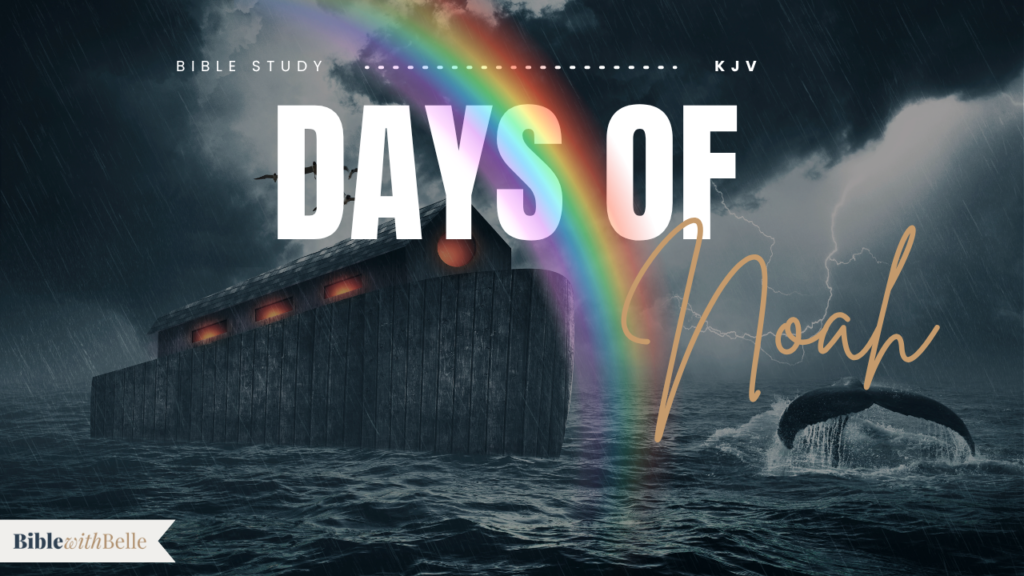
The story of Noah and the flood is one of the most well-known accounts in the Bible. Many people first hear about Noah as children: God told him to build an ark, animals came onto the ark, rain fell, and Noah and his family survived the flood.
But when you read Genesis 6–9 carefully, you discover that the story is about much more than an ark and animals. The account of Noah and the flood deals with human sin, God’s judgment, Noah’s faith and obedience, God’s mercy, salvation, and the covenant He made after the flood.
It is also a story that can be difficult to read. The judgment described in Genesis is severe, and it is important not to minimise that part of the account simply because the story is familiar. At the same time, we should not overlook the mercy shown throughout it. God warned Noah, provided a means of rescue, preserved Noah’s family, and established a covenant after the waters receded.
The story of Noah therefore gives us a serious picture of God’s attitude toward sin while also showing His faithfulness to those who trust and obey Him.
What Does the Bible Say About Noah and the Flood?
The Bible says that humanity had become deeply corrupt and violent before the flood. God saw the wickedness of mankind and determined to judge the earth. Noah, however, found grace in the sight of the Lord and is described as a just man who walked with God.
God instructed Noah to build an ark and bring his family and representatives of the animals into it. Noah did what God commanded. When the flood came, Noah and those with him were preserved inside the ark.
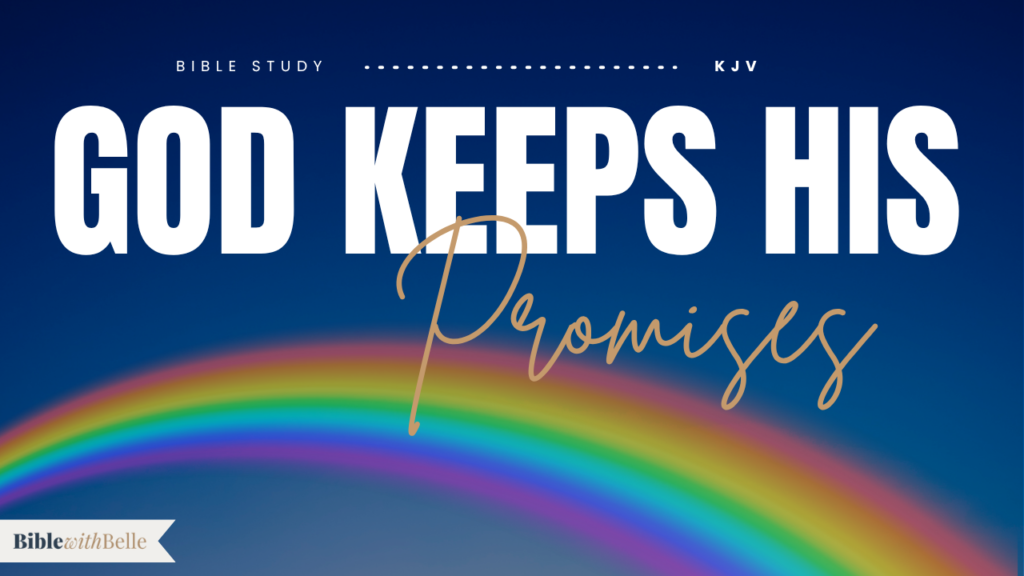
After the flood, Noah built an altar and worshipped God. God then established a covenant with Noah and gave the rainbow as the sign of His promise that He would never again destroy the earth with a flood.
The account therefore contains both judgment and mercy. The flood demonstrates the seriousness of human wickedness, while the ark demonstrates God’s provision of rescue.
Why Did God Send the Flood?
One of the most important things to understand about the flood is that Genesis does not present it as a random disaster.
The Bible connects the judgment directly to the condition of humanity.
Genesis 6:5 — Human Wickedness Had Become Great
“And GOD saw that the wickedness of man was great in the earth, and that every imagination of the thoughts of his heart was only evil continually.”
Genesis describes a world in which wickedness had become widespread and deeply rooted.
The problem was not simply that people occasionally made mistakes. Scripture describes a society marked by profound corruption, violence and evil.
Genesis 6:11–12 — The Earth Was Filled With Violence
“The earth also was corrupt before God, and the earth was filled with violence.
And God looked upon the earth, and, behold, it was corrupt; for all flesh had corrupted his way upon the earth.”
This helps explain why the flood occupies such an important place in the biblical account.
God’s judgment was a response to widespread corruption and violence. The passage presents sin as something serious that God sees and does not simply overlook.
Noah Walked With God
In the middle of this corrupt world, Noah stands out.
The Bible does not say that Noah was completely sinless. Later in the account, Genesis records Noah’s own failure after the flood. Instead, Scripture describes Noah as righteous and as someone who walked with God.
Genesis 6:9 — Noah Walked With God
“These are the generations of Noah: Noah was a just man and perfect in his generations, and Noah walked with God.”
The description of Noah as “perfect” should not be understood as saying that he had never sinned. The broader biblical account makes it clear that human beings are not presented as sinless.
The emphasis is on Noah’s character in comparison with the corrupt generation around him. While the world had turned away from God, Noah continued to walk with Him.
That is one of the most encouraging parts of this story. Noah did not allow the behaviour of the world around him to determine his relationship with God.
Noah Obeyed God Even When He Did Not See the Flood
God gave Noah detailed instructions concerning the ark.
Noah could not see the coming flood. Yet he trusted God’s warning and acted upon it.
Genesis 6:22 — Noah Did What God Commanded
“Thus did Noah; according to all that God commanded him, so did he.”
This simple verse says a great deal.
Noah did not merely hear what God said. He acted on it.
Faith in Scripture is not simply agreeing that something God says is true. Genuine faith produces obedience.
The book of Hebrews later reflects on Noah’s faith and explains that he acted in response to God’s warning about things that had not yet been seen.
Hebrews 11:7 — Noah Acted by Faith
“By faith Noah, being warned of God of things not seen as yet, moved with fear, prepared an ark to the saving of his house; by the which he condemned the world, and became heir of the righteousness which is by faith.”
Noah had to trust God before he could see the outcome.
That can be difficult for us as well. We often want to understand everything before we obey. We want to know exactly how something will work out before we take the first step.
Noah’s story reminds us that faith sometimes means trusting God with what we cannot yet see.
Did Noah Build the Ark Because He Was Perfect?
No.
The Bible never presents Noah as a man who earned salvation because he was morally flawless.
Instead, Noah found grace in God’s sight.
Genesis 6:8 — Noah Found Grace
“But Noah found grace in the eyes of the LORD.”
This verse comes immediately before the description of Noah as a just man who walked with God.
That distinction matters.
Noah was faithful and obedient, but the story is ultimately about God’s grace and God’s provision. Noah was not saving himself through his own perfection. God was providing the means by which Noah and his family would be preserved.
The Ark Was God’s Provision of Rescue
The ark was not simply a large boat that Noah happened to construct.
God instructed Noah to build it as the means by which he and his family would survive the coming judgment.
Genesis 7:16 — The Lord Shut Noah In
“And they that went in, went in male and female of all flesh, as God had commanded him: and the LORD shut him in.”
That final detail is easy to overlook.
The Lord shut Noah in.
The ark represented God’s provision of protection and rescue. Noah still had to obey and enter the ark, but God was the One who provided the means of salvation.
This becomes especially significant when we consider how the New Testament speaks about Noah and the flood.
1 Peter 3:20 — Eight Souls Were Saved Through Water
“Which sometime were disobedient, when once the longsuffering of God waited in the days of Noah, while the ark was a preparing, wherein few, that is, eight souls were saved by water.”
Peter draws attention to God’s patience during the days of Noah and to the fact that only eight people were saved through the flood.
The account therefore shows both God’s patience and His judgment.
Was God Patient Before the Flood?
Yes.
This is an important part of the story that can easily be overlooked.
The New Testament specifically refers to God’s longsuffering during the days when Noah was preparing the ark.
1 Peter 3:20 — God’s Longsuffering in Noah’s Day
“Which sometime were disobedient, when once the longsuffering of God waited in the days of Noah, while the ark was a preparing, wherein few, that is, eight souls were saved by water.”
The flood did not happen without warning.
God’s patience was present before His judgment.
This gives us a fuller picture of God’s character. He is not indifferent toward sin, but neither does Scripture portray Him as eager to judge without warning or opportunity for repentance.
Noah Was Not Saved Because He Was Better Than Everyone Else
It can be tempting to read the story as though Noah was simply the one good person in a world full of bad people.
The Bible’s description is more meaningful than that.
Noah was a man who walked with God and responded to Him in faith. His righteousness was demonstrated through his relationship with God and his obedience to God’s commands.
Hebrews 11:7 — Noah’s Faith Was Evidenced by His Actions
“By faith Noah, being warned of God of things not seen as yet, moved with fear, prepared an ark to the saving of his house; by the which he condemned the world, and became heir of the righteousness which is by faith.”
The passage connects Noah’s obedience with faith.
He believed God.
Because he believed God, he acted.
That is an important biblical pattern. Faith is not merely something we say we have. Our response to God reveals whether we genuinely trust Him.
How Long Did Noah Build the Ark?
The Bible does not give us an exact number of years for the construction of the ark.
It is therefore better not to state a specific construction period as though Scripture tells us precisely how long Noah worked on it.
What we do know is that God gave Noah instructions, Noah prepared the ark, and the flood eventually came according to God’s warning.
Genesis 6:14 — God Commanded Noah to Make the Ark
“Make thee an ark of gopher wood; rooms shalt thou make in the ark, and shalt pitch it within and without with pitch.”
God gave Noah specific instructions rather than simply telling him to build some kind of boat.
The details demonstrate that Noah’s obedience involved practical work. Faith did not mean sitting back and waiting for God to do everything.
Noah had to build.
He had to prepare.
He had to follow God’s instructions.
What Happened When the Flood Came?
Genesis describes the waters rising until they covered the earth.
Genesis 7:17–18 — The Waters Increased
“And the flood was forty days upon the earth; and the waters increased, and bare up the ark, and it was lift up above the earth.
And the waters prevailed, and were increased greatly upon the earth; and the ark went upon the face of the waters.”
The biblical account presents the flood as a catastrophic judgment.
The ark was lifted above the waters while Noah and those with him remained inside.
This is not presented as a peaceful rainstorm. It is a major act of divine judgment.
That seriousness is important because it shows us how the Bible views unchecked human wickedness.
How Long Did the Flood Last?
Genesis gives us several time markers throughout the account.
The rain fell for forty days and forty nights, while the waters continued to prevail over the earth for an extended period before eventually receding.
Genesis 7:24 — The Waters Prevailed
“And the waters prevailed upon the earth an hundred and fifty days.”
The flood account therefore covers considerably more than forty days.
The forty days refer specifically to the period of rainfall, while Genesis also describes the continuing presence and movement of the floodwaters.
God Remembered Noah
After the floodwaters had prevailed, the Bible gives us one of the most comforting statements in the entire account.
Genesis 8:1 — God Remembered Noah
“And God remembered Noah, and every living thing, and all the cattle that was with him in the ark: and God made a wind to pass over the earth, and the waters asswaged;”
When Scripture says that God “remembered” Noah, it does not mean that God had forgotten that Noah existed.
The expression communicates God’s faithful attention toward Noah and His action on Noah’s behalf.
God had not abandoned the people He had preserved.
The waters began to recede, and eventually Noah would leave the ark.
Noah Sent Out a Raven and a Dove
As the waters receded, Noah began to determine whether the earth had become dry.
Genesis 8:11 — The Dove Returned With an Olive Leaf
“And the dove came in to him in the evening; and, lo, in her mouth was an olive leaf pluckt off: so Noah knew that the waters were abated from off the earth.”
The olive leaf gave Noah evidence that the waters had receded.
Eventually, God told Noah that it was time to leave the ark.
Genesis 8:16 — God Told Noah to Leave the Ark
“Go forth of the ark, thou, and thy wife, and thy sons, and thy sons’ wives with thee.”
After such an enormous period of waiting and uncertainty, Noah finally received God’s instruction to leave.
Again, Noah responded to God’s command.
Noah Worshipped God After the Flood
One of Noah’s first recorded actions after leaving the ark was worship.
Genesis 8:20 — Noah Built an Altar
“And Noah builded an altar unto the LORD; and took of every clean beast, and of every clean fowl, and offered burnt offerings on the altar.”
Noah did not simply walk away from the ark and begin rebuilding his life.
He worshipped God.
This response is significant because Noah recognised that his preservation was ultimately connected to God.
The flood had brought judgment, but Noah had also experienced God’s mercy and protection.
God Made a Covenant With Noah
After the flood, God made a covenant with Noah and his descendants.
This covenant included a promise concerning the earth and the waters.
Genesis 9:11 — God Promised Never Again to Destroy the Earth With a Flood
“And I will establish my covenant with you; neither shall all flesh be cut off any more by the waters of a flood; neither shall there any more be a flood to destroy the earth.”
The covenant shows that the story does not end with judgment.
It ends with a promise.
God established a sign that would remind Noah and future generations of His covenant.
What Does the Rainbow Mean in the Bible?
The rainbow is specifically connected with God’s covenant following the flood.
Genesis 9:13 — The Rainbow Was a Sign of the Covenant
“I do set my bow in the cloud, and it shall be for a token of a covenant between me and the earth.”
The rainbow therefore has a particular biblical significance in Genesis 9.
It is a sign of God’s covenant with the earth.
Genesis 9:15 — God Remembered His Covenant
“And I will remember my covenant, which is between me and you and every living creature of all flesh; and the waters shall no more become a flood to destroy all flesh.”
The rainbow became a visible reminder of God’s promise.
When we see a rainbow, Genesis gives us a biblical association with God’s covenant following the flood.
What Does Noah’s Story Teach Us About Obedience?
Noah’s life demonstrates the importance of obeying God even when obedience is difficult.
God asked Noah to do something that required enormous faith and commitment. Noah could not see the flood before it came, yet he followed God’s instructions.
Genesis 6:22 — Noah Obeyed Everything God Commanded
“Thus did Noah; according to all that God commanded him, so did he.”
Noah’s obedience was not selective.
He did what God commanded.
That challenges us to consider our own response to God. It is easy to obey when we understand everything and agree with everything. Faith becomes much more meaningful when we trust God even when we cannot see the complete picture.
What Does Noah’s Story Teach Us About Living Differently?
Noah lived in a society that had become deeply corrupt.
Yet Scripture says that Noah walked with God.
Genesis 6:9 — Noah Walked With God
“These are the generations of Noah: Noah was a just man and perfect in his generations, and Noah walked with God.”
Noah’s example reminds us that following God has never depended upon everyone around us doing the same thing.
There may be times when the culture around us moves in a direction that conflicts with God’s Word. We can feel pressure to compromise simply because we do not want to stand out.
Noah’s life shows us that walking with God may sometimes mean standing apart from the people around us.
What Does Noah’s Story Teach Us About God’s Judgment?
The flood is one of Scripture’s clearest examples of divine judgment.
The Bible does not hide the seriousness of what happened.
Genesis 6:7 — God Announced Judgment
“And the LORD said, I will destroy man whom I have created from the face of the earth; both man, and beast, and the creeping thing, and the fowls of the air; for it repenteth me that I have made them.”
This is difficult Scripture, but it is part of the biblical account.
We should not remove uncomfortable passages simply because they challenge us.
The flood demonstrates that God takes human wickedness seriously.
At the same time, the account also shows God’s mercy toward Noah and those whom He preserved.
Jesus Compared His Return to the Days of Noah
The story of Noah is not only important in Genesis.
Jesus Himself referred to the days of Noah when teaching about His future coming.
Matthew 24:37–39 — As the Days of Noah Were
“But as the days of Noe were, so shall also the coming of the Son of man be.
For as in the days that were before the flood they were eating and drinking, marrying and giving in marriage, until the day that Noe entered into the ark,
And knew not until the flood came, and took them all away; so shall also the coming of the Son of man be.”
Jesus used Noah’s generation as an illustration of people continuing with ordinary life while failing to recognise the seriousness of what was coming.
The point was not that eating, drinking or marriage were sinful activities. Jesus was describing people carrying on with life without being prepared for God’s judgment.
This gives Noah’s story continuing significance for Christians.
It reminds us to remain spiritually awake rather than assuming that because life appears normal, nothing important is happening.
Noah and the Flood Point Us Toward Faith
Noah’s story is ultimately not about how impressive Noah was.
It is about God.
God saw the wickedness of humanity.
God judged sin.
God showed grace to Noah.
God provided a way of rescue.
God preserved Noah and his family.
God established a covenant.
And God remained faithful to His promises.
Hebrews 11:6 — Faith Is Essential
“But without faith it is impossible to please him: for he that cometh to God must believe that he is, and that he is a rewarder of them that diligently seek him.”
Noah’s faith was demonstrated through his actions.
He trusted God enough to obey Him when the outcome was still unseen.
That is a challenge for every believer.
We may not understand what God is doing in our lives. We may not know how a situation will work out. We may not be able to see the future.
But we can still choose to trust Him.
Bible Verses About Noah and the Flood
If you are studying Noah and the flood, these passages are particularly important because together they show the corruption before the flood, Noah’s faith and obedience, God’s judgment, His provision of rescue, and His covenant afterward.
Genesis 6:5 — The Wickedness of Humanity
“And GOD saw that the wickedness of man was great in the earth, and that every imagination of the thoughts of his heart was only evil continually.”
Genesis 6:8 — Noah Found Grace
“But Noah found grace in the eyes of the LORD.”
Genesis 6:9 — Noah Walked With God
“These are the generations of Noah: Noah was a just man and perfect in his generations, and Noah walked with God.”
Genesis 6:11 — The Earth Was Filled With Violence
“The earth also was corrupt before God, and the earth was filled with violence.”
Genesis 6:22 — Noah Obeyed God
“Thus did Noah; according to all that God commanded him, so did he.”
Genesis 7:16 — God Shut Noah In
“And they that went in, went in male and female of all flesh, as God had commanded him: and the LORD shut him in.”
Genesis 8:1 — God Remembered Noah
“And God remembered Noah, and every living thing, and all the cattle that was with him in the ark: and God made a wind to pass over the earth, and the waters asswaged;”
Genesis 8:20 — Noah Worshipped God
“And Noah builded an altar unto the LORD; and took of every clean beast, and of every clean fowl, and offered burnt offerings on the altar.”
Genesis 9:11 — God’s Covenant
“And I will establish my covenant with you; neither shall all flesh be cut off any more by the waters of a flood; neither shall there any more be a flood to destroy the earth.”
Genesis 9:13 — The Sign of the Rainbow
“I do set my bow in the cloud, and it shall be for a token of a covenant between me and the earth.”
Hebrews 11:7 — Noah’s Faith
“By faith Noah, being warned of God of things not seen as yet, moved with fear, prepared an ark to the saving of his house; by the which he condemned the world, and became heir of the righteousness which is by faith.”
Matthew 24:37–39 — Jesus Referred to the Days of Noah
“But as the days of Noe were, so shall also the coming of the Son of man be.
For as in the days that were before the flood they were eating and drinking, marrying and giving in marriage, until the day that Noe entered into the ark,
And knew not until the flood came, and took them all away; so shall also the coming of the Son of man be.”
Final Thought
The story of Noah and the flood can be difficult to read, but it is also one of the clearest biblical examples of the seriousness of sin and the faithfulness of God.
The world described in Genesis had become corrupt and violent, and God judged that wickedness. Yet in the middle of that judgment, Noah found grace. God gave him instructions, Noah trusted Him, and Noah obeyed.
The ark reminds us that God provided a way of rescue.
The flood reminds us that God does not simply overlook wickedness.
Noah reminds us that we can walk with God even when the people around us are going in another direction.
And the rainbow reminds us of God’s covenant and His faithfulness to His promises.
Hebrews 11:7 — Noah Believed God
“By faith Noah, being warned of God of things not seen as yet, moved with fear, prepared an ark to the saving of his house; by the which he condemned the world, and became heir of the righteousness which is by faith.”
Perhaps one of the greatest lessons from Noah’s life is that faith often requires us to trust God before we can see the outcome.
Noah did not wait until the rain began before he believed God’s warning.
He prepared beforehand.
He obeyed before he saw the evidence.
And he continued walking with God while the world around him had turned away from Him.
We may face our own seasons when we do not understand what God is doing. We may not know how our circumstances will unfold, and sometimes obedience can feel difficult when we cannot see the result.
Noah’s story encourages us to remember that God sees what we cannot see.
Genesis 9:16 — God’s Covenant Remains a Reminder of His Faithfulness
“And the bow shall be in the cloud; and I will look upon it, that I may remember the everlasting covenant between God and every living creature of all flesh that is upon the earth.”
The story of Noah begins with judgment, but it does not end there.
It ends with a covenant.
It ends with a promise.
It ends with God’s faithfulness.
And that is something worth remembering when life feels uncertain: God is still God when we cannot see what comes next.
Like Noah, we can choose to trust Him, walk with Him and faithfully obey what He has asked us to do.
✨ Still have a question?
You can send it through the Ask a Bible Question page, and I’ll respond with guidance from God’s Word.
You can also leave your questions on my YouTube channel, where I share clear, practical encouragement, and answers to common questions.