
Bible Verses About Using Your Gifts
January 24, 2025
Bible Verses About Quarreling
January 24, 2025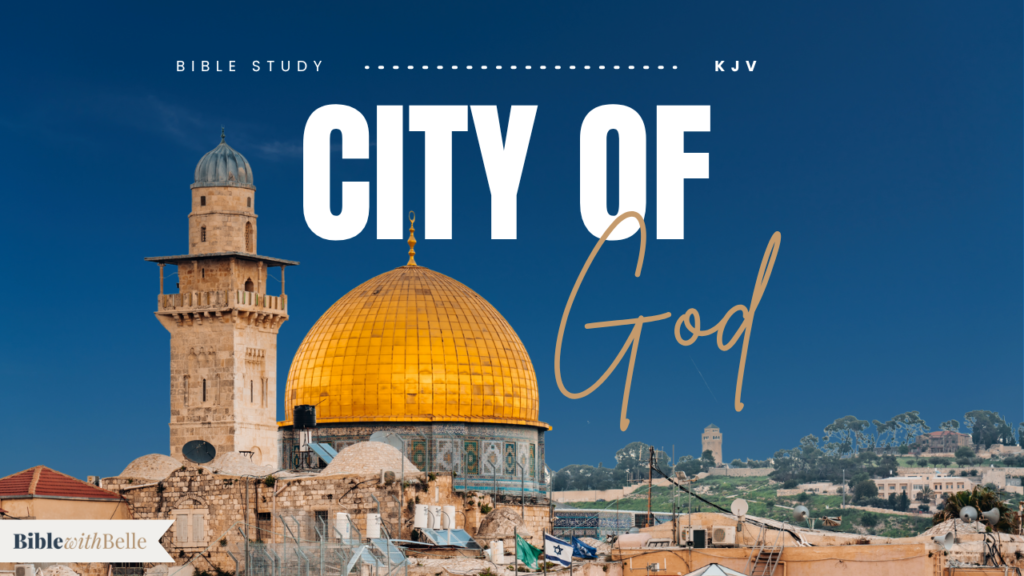
Zion holds a significant place throughout the Bible. Scripture mentions Zion hundreds of times, and its meaning develops as God’s story unfolds. The Bible connects Zion with Jerusalem, the city of David, God’s dwelling place, the temple, God’s people, and the future hope of His kingdom.
Because Zion appears in so many different contexts, it can sometimes be difficult to understand exactly what the Bible means when it speaks about it. In some passages, Zion refers specifically to the hill or city of Jerusalem. In others, it describes God’s people. Prophetic passages can speak of Zion in connection with restoration, salvation, judgment and the coming reign of God.
Understanding Zion therefore requires us to look at the wider biblical context rather than treating every reference as though it means exactly the same thing.
Quick Answer: What Does Zion Mean in the Bible?
In the Bible, Zion originally referred to a stronghold in Jerusalem that David captured, but the name came to be closely associated with Jerusalem itself and with God’s dwelling place among His people. Zion is also used poetically to refer to God’s people and, particularly in the prophets and New Testament, can point toward the future hope of God’s salvation and kingdom.
The importance of Zion begins with Jerusalem and God’s covenant relationship with Israel. As Scripture progresses, the meaning becomes richer, eventually connecting Zion with God’s presence, salvation, restoration and the heavenly Jerusalem.
Where Is Zion in the Bible?
Zion was originally associated with a specific stronghold in Jerusalem.
David captured the stronghold of Zion and established his city there. This became known as the City of David.
2 Samuel 5:7 — David Captures Zion
“Nevertheless David took the strong hold of Zion: the same is the city of David.”
This verse gives us the historical beginning of Zion’s significance in Scripture.
David captured the stronghold and made it his city. Jerusalem would eventually become the political and spiritual centre of the kingdom of Israel, and Zion became a name closely associated with the city.
As the biblical story continues, however, Zion becomes much more than the name of a particular stronghold.
Why Is Zion Important to God?
Zion became closely connected with God’s presence and His dwelling among His people.
When Solomon built the temple in Jerusalem, the city became central to Israel’s worship. God’s covenant relationship with Israel meant that Jerusalem and Zion took on enormous spiritual significance.
Psalm 132:13–14 — God Chose Zion
“For the LORD hath chosen Zion; he hath desired it for his habitation.
This is my rest for ever: here will I dwell; for I have desired it.”
This passage describes Zion as the place God had chosen.
The significance was never simply that a particular piece of land was geographically special. Zion represented the place where God had chosen to establish His name and dwell among His covenant people.
That is why references to Zion throughout Scripture can carry such deep spiritual meaning.
Is Zion Another Name for Jerusalem?
In many passages, yes.
The Bible frequently uses Zion as a poetic name for Jerusalem. The two names can appear almost interchangeably, although Zion can carry additional theological meaning depending on the context.
Psalm 48:2 — Zion Is Connected With the City of the Great King
“Beautiful for situation, the joy of the whole earth, is mount Zion, on the sides of the north, the city of the great King.”
Jerusalem is described in connection with Mount Zion and the presence of the King.
This language reflects the special role Jerusalem held within God’s covenant purposes for Israel.
However, Scripture does not teach that Jerusalem itself is divine. The significance of Zion comes from God’s relationship with His people and His purposes, not from the physical stones of the city.
What Does Zion Represent in the Psalms?
The Psalms frequently speak about Zion as the place associated with God’s presence, protection and kingship.
Psalm 9:11 — Declare God’s Works in Zion
“Sing praises to the LORD, which dwelleth in Zion: declare among the people his doings.”
The psalmist calls God’s people to praise Him and tell others about His works.
Zion therefore becomes associated with worship and testimony.
The people of God were not meant to keep silent about what He had done. God’s works were to be remembered and proclaimed.
Is God Described as Dwelling in Zion?
Yes. Scripture repeatedly uses this language.
This does not mean that God is physically limited to one geographical location. Solomon himself acknowledged that even the heavens could not contain God.
Rather, the language of God’s dwelling in Zion points to His special covenant presence among His people.
Joel 3:17 — The Lord Dwells in Zion
“So shall ye know that I am the LORD your God dwelling in Zion, my holy mountain: then shall Jerusalem be holy, and there shall no strangers pass through her any more.”
Zion is described here as God’s holy mountain.
The passage occurs within a prophetic context concerning judgment and restoration. God promises to act on behalf of His people and establish His holy presence among them.
This helps us understand why Zion becomes such an important biblical symbol of God’s faithfulness.
Does Zion Have a Connection to God’s Salvation?
Yes.
The prophets frequently connect Zion with God’s future acts of salvation and restoration.
Isaiah 46:13 — Salvation for Zion
“I bring near my righteousness; it shall not be far off, and my salvation shall not tarry: and I will place salvation in Zion for Israel my glory.”
Israel had repeatedly experienced rebellion, judgment and exile, yet God’s covenant purposes had not failed.
Isaiah points forward to God’s salvation coming to Zion.
This is part of a much larger prophetic theme: God would not abandon His people forever. He would ultimately act to save and restore.
Does the Bible Describe Zion as Rejoicing?
Yes.
When God restores His people, Zion is frequently pictured as a place of joy.
Isaiah 51:3 — God Will Comfort Zion
“For the LORD shall comfort Zion: he will comfort all her waste places; and he will make her wilderness like Eden, and her desert like the garden of the LORD; joy and gladness shall be found therein, thanksgiving, and the voice of melody.”
This is a beautiful picture of restoration.
Zion had experienced devastation and suffering, yet God promised comfort and renewal.
The imagery of the wilderness becoming like Eden communicates the greatness of God’s restoration. What had been desolate would become fruitful again.
Does Zion Represent God’s People?
At times, yes.
The Bible can speak of Zion not merely as a geographical location but as a personified representation of God’s covenant people.
Isaiah 51:16 — Zion Is Called God’s People
“And I have put my words in thy mouth, and I have covered thee in the shadow of mine hand, that I may plant the heavens, and lay the foundations of the earth, and say unto Zion, Thou art my people.”
This is important for understanding many prophetic references to Zion.
When Scripture speaks directly to Zion, it is sometimes speaking to Jerusalem, sometimes to the people associated with Jerusalem, and sometimes using Zion as a poetic representation of God’s covenant people.
The context helps determine the specific meaning.
Does Zion Have a Connection to the Messiah?
Yes.
Some of the most important passages about Zion are connected with God’s promised King.
The Old Testament repeatedly looks forward to a righteous ruler who will reign according to God’s purposes. Zion becomes central to this expectation.
Psalm 2:6 — God’s King Is Set Upon Zion
“Yet have I set my king upon my holy hill of Zion.”
Psalm 2 presents God’s chosen King ruling in opposition to the nations who rebel against Him.
The New Testament identifies Jesus as the promised Messiah and repeatedly connects Him with the fulfilment of Old Testament promises concerning God’s King.
Zion therefore becomes part of the biblical expectation of the Messiah’s reign.
Does the New Testament Say Jesus Is Connected to Zion?
Yes.
The New Testament directly applies Old Testament Zion prophecies to Jesus Christ.
1 Peter 2:6 — Christ Is the Cornerstone in Zion
“Wherefore also it is contained in the scripture, Behold, I lay in Sion a chief corner stone, elect, precious: and he that believeth on him shall not be confounded.”
Peter is quoting Isaiah and applying the prophecy to Christ.
Jesus is presented as the chosen cornerstone that God has established.
Those who trust in Him will not ultimately be put to shame.
This is one of the clearest examples of Zion language being connected to Jesus in the New Testament.
What Does Zion Have to Do With Jesus?
The New Testament presents Jesus as the fulfilment of many Old Testament promises surrounding God’s kingdom and salvation.
Romans 9:33 — The Stone in Zion
“As it is written, Behold, I lay in Sion a stumblingstone and rock of offence: and whosoever believeth on him shall not be ashamed.”
Paul combines Old Testament imagery to explain the response people would have to Christ.
Jesus is the foundation God has established, but people can respond to Him either in faith or rejection.
The message is therefore not merely about a geographical place called Zion.
It points toward God’s saving work through Christ.
What Is Mount Zion in the New Testament?
One of the most significant New Testament passages about Zion appears in Hebrews.
Hebrews 12:22–24 — You Are Come Unto Mount Zion
“But ye are come unto mount Sion, and unto the city of the living God, the heavenly Jerusalem, and to an innumerable company of angels,
To the general assembly and church of the firstborn, which are written in heaven, and to God the Judge of all, and to the spirits of just men made perfect,
And to Jesus the mediator of the new covenant, and to the blood of sprinkling, that speaketh better things than that of Abel.”
This passage is particularly important because it describes Mount Zion in connection with the heavenly Jerusalem.
The writer of Hebrews contrasts the terrifying scene associated with Mount Sinai with the joyful heavenly reality to which believers have come through Christ.
This does not erase the historical significance of earthly Zion. Instead, it shows that the biblical story moves toward something greater.
The earthly realities associated with God’s presence point toward the ultimate reality of God’s heavenly kingdom and the access believers have to Him through Jesus.
Is Zion the Same as the Heavenly Jerusalem?
Not in every biblical passage.
The Bible uses Zion in different ways, and Hebrews 12 connects Mount Zion with the heavenly Jerusalem.
The important point is that the New Testament presents God’s ultimate dwelling and kingdom as greater than the earthly structures associated with Old Testament worship.
Galatians 4:26 — The Jerusalem Above
“But Jerusalem which is above is free, which is the mother of us all.”
Paul uses Jerusalem symbolically in explaining the freedom believers have through God’s promise.
This passage should not be taken to mean that every mention of Jerusalem or Zion in the Bible refers to heaven. Rather, it shows that the New Testament can use Jerusalem imagery to communicate spiritual realities connected with God’s kingdom and covenant promises.
Does Zion Have a Future Prophetic Meaning?
Yes.
Zion continues to appear in prophetic passages that speak about God’s future reign, restoration and salvation.
Isaiah 2:3 — God’s Word Goes Out From Zion
“And many people shall go and say, Come ye, and let us go up to the mountain of the LORD, to the house of the God of Jacob; and he will teach us of his ways, and we will walk in his paths: for out of Zion shall go forth the law, and the word of the LORD from Jerusalem.”
This prophecy looks forward to a time when the nations will turn toward the Lord and seek His instruction.
Zion and Jerusalem appear at the centre of this vision because they represent the place from which God’s righteous rule and instruction proceed.
Christians interpret the fulfilment of such passages in different ways, particularly concerning what has already been fulfilled through Christ and what awaits the final establishment of God’s kingdom.
What remains consistent throughout Scripture is the promise that God will ultimately establish His righteous rule and draw people to Himself.
Does Zion Have a Connection to the End Times?
Zion appears in passages concerning God’s future purposes, although individual prophetic passages require careful interpretation.
Zechariah 8:3 — The Lord Returns to Zion
“Thus saith the LORD; I am returned unto Zion, and will dwell in the midst of Jerusalem: and Jerusalem shall be called a city of truth; and the mountain of the LORD of hosts the holy mountain.”
The prophecy describes restoration and God’s presence among His people.
The image is striking because Jerusalem, which had experienced judgment and destruction, is pictured as a place of truth and holiness.
This reflects one of Scripture’s great themes: God is able to restore what has been devastated.
Does the Bible Say Zion Will Be Redeemed?
Yes.
The prophets frequently connect Zion with redemption.
Isaiah 59:20 — The Redeemer Comes to Zion
“And the Redeemer shall come to Zion, and unto them that turn from transgression in Jacob, saith the LORD.”
Paul later quotes this passage when discussing God’s purposes concerning Israel.
Romans 11:26–27 — The Deliverer Comes From Zion
“And so all Israel shall be saved: as it is written, There shall come out of Sion the Deliverer, and shall turn away ungodliness from Jacob:
For this is my covenant unto them, when I shall take away their sins.”
This passage requires careful attention because Paul is discussing God’s covenant promises and His purposes concerning Israel.
Christians have different interpretations of the precise meaning of “all Israel” and how the promise relates to God’s future purposes. However, the central truth is clear: God is faithful to His promises, and salvation ultimately comes through the Redeemer.
Does Zion Have a Connection to God’s People in the Last Days?
The book of Revelation also uses Mount Zion imagery.
Revelation 14:1 — The Lamb Stands on Mount Zion
“And I looked, and, lo, a Lamb stood on the mount Sion, and with him an hundred forty and four thousand, having his Father’s name written in their foreheads.”
Here Mount Zion appears within John’s vision of the end times.
The Lamb is Jesus Christ, and the imagery connects Him with His redeemed people.
This passage reminds us that Zion remains associated with God’s victorious purposes even as Scripture reaches its final prophetic scenes.
What Does the Bible Say About Zion and God’s Protection?
The Psalms often use Zion as an image of God’s protection and faithfulness.
Psalm 125:1–2 — Those Who Trust in the Lord Are Like Mount Zion
“They that trust in the LORD shall be as mount Zion, which cannot be removed, but abideth for ever.
As the mountains are round about Jerusalem, so the LORD is round about his people from henceforth even for ever.”
This passage moves from a physical picture to a spiritual truth.
Mountains surrounded Jerusalem, and the psalmist uses that imagery to describe God’s protection of His people.
The believer’s security ultimately rests not in geographical location but in the Lord Himself.
Does Zion Represent God’s Faithfulness?
Yes.
The history of Zion is intertwined with Israel’s history, including periods of faithfulness, rebellion, judgment, exile and restoration.
Yet God repeatedly promised that His purposes would stand.
Psalm 87:2 — God Loves the Gates of Zion
“The LORD loveth the gates of Zion more than all the dwellings of Jacob.”
This verse expresses the special significance Zion held within God’s covenant purposes.
It does not mean that God loved some Israelites and hated others. Rather, Zion had been chosen for a particular role in Israel’s worship and God’s redemptive story.
What Happened to Zion After Israel’s Disobedience?
Zion did not remain untouched by Israel’s sin.
The prophets repeatedly warned Jerusalem that judgment would come because of rebellion against God.
Lamentations 1:4 — Zion Mourns
“The ways of Zion do mourn, because none come to the solemn feasts: all her gates are desolate: her priests sigh, her virgins are afflicted, and she is in bitterness.”
Lamentations gives us a very different picture from the joyful Zion described in other passages.
Zion could experience devastation because God’s people had turned away from Him.
This is an important reminder that biblical promises concerning Zion should never be separated from the larger biblical story of sin, judgment, repentance and restoration.
Does God Abandon Zion Forever?
No.
Even after judgment, Scripture speaks of God’s compassion and restoration.
Isaiah 62:11–12 — Salvation Comes to Zion
“Behold, the LORD hath proclaimed unto the end of the world, Say ye to the daughter of Zion, Behold, thy salvation cometh; behold, his reward is with him, and his work before him.
And they shall call them, The holy people, The redeemed of the LORD: and thou shalt be called, Sought out, A city not forsaken.”
The final description is especially meaningful: “A city not forsaken.”
Zion’s story demonstrates that God’s judgment is not the same thing as God’s abandonment.
God disciplines sin, but He also promises redemption.
What Can We Learn From Zion?
Zion teaches us that God’s presence, promises and purposes are greater than any physical location.
The biblical story begins with a physical stronghold captured by David, develops into Jerusalem’s central role in Israel’s worship, and ultimately points toward God’s greater kingdom and the salvation He provides through Christ.
Zion also reminds us that God keeps His promises even when circumstances seem to suggest otherwise.
Jerusalem experienced destruction.
God’s people experienced exile.
The temple was destroyed.
Yet God’s purposes continued.
Psalm 46:5 — God Is in the Midst of Her
“God is in the midst of her; she shall not be moved: God shall help her, and that right early.”
The ultimate source of Zion’s security was never the strength of its walls.
It was God.
That same principle applies to God’s people today. Our security does not rest in having perfect circumstances or knowing exactly what tomorrow will bring. It rests in the faithfulness of God.
Bible Verses About Zion
Zion appears throughout Scripture in passages concerning Jerusalem, God’s presence, His people, salvation, restoration and His coming kingdom.
Psalm 48:2 — Mount Zion, the City of the Great King
“Beautiful for situation, the joy of the whole earth, is mount Zion, on the sides of the north, the city of the great King.”
God Shines Out of Zion – Psalm 50:2
“Out of Zion, the perfection of beauty, God hath shined.”
They Appear Before God in Zion – Psalm 84:7
“They go from strength to strength, every one of them in Zion appeareth before God.”
Psalm 87:5 — Zion Is Established by God
“And of Zion it shall be said, This and that man was born in her: and the highest himself shall establish her.”
Psalm 125:1–2 — Those Who Trust in the Lord Are Like Zion
“They that trust in the LORD shall be as mount Zion, which cannot be removed, but abideth for ever.
As the mountains are round about Jerusalem, so the LORD is round about his people from henceforth even for ever.”
God’s Word Goes Out From Zion – Isaiah 2:3
“And many people shall go and say, Come ye, and let us go up to the mountain of the LORD, to the house of the God of Jacob; and he will teach us of his ways, and we will walk in his paths: for out of Zion shall go forth the law, and the word of the LORD from Jerusalem.”
Isaiah 46:13 — Salvation Is Placed in Zion
“I bring near my righteousness; it shall not be far off, and my salvation shall not tarry: and I will place salvation in Zion for Israel my glory.”
Isaiah 51:3 — God Will Comfort Zion
“For the LORD shall comfort Zion: he will comfort all her waste places; and he will make her wilderness like Eden, and her desert like the garden of the LORD; joy and gladness shall be found therein, thanksgiving, and the voice of melody.”
The Redeemer Comes to Zion – Isaiah 59:20
“And the Redeemer shall come to Zion, and unto them that turn from transgression in Jacob, saith the LORD.”
Isaiah 62:11 — Salvation Comes to Zion
“Behold, the LORD hath proclaimed unto the end of the world, Say ye to the daughter of Zion, Behold, thy salvation cometh; behold, his reward is with him, and his work before him.”
Joel 2:32 — Salvation in Mount Zion
“And it shall come to pass, that whosoever shall call on the name of the LORD shall be delivered: for in mount Zion and in Jerusalem shall be deliverance, as the LORD hath said, and in the remnant whom the LORD shall call.”
Micah 4:2 — The Word of the Lord Goes Out From Zion
“And many nations shall come, and say, Come, and let us go up to the mountain of the LORD, and to the house of the God of Jacob; and he will teach us of his ways, and we will walk in his paths: for the law shall go forth of Zion, and the word of the LORD from Jerusalem.”
Zechariah 8:3 — The Lord Dwells in Zion
“Thus saith the LORD; I am returned unto Zion, and will dwell in the midst of Jerusalem: and Jerusalem shall be called a city of truth; and the mountain of the LORD of hosts the holy mountain.”
Romans 9:33 — The Stone in Zion
“As it is written, Behold, I lay in Sion a stumblingstone and rock of offence: and whosoever believeth on him shall not be ashamed.”
Hebrews 12:22–24 — Mount Zion and the Heavenly Jerusalem
“But ye are come unto mount Sion, and unto the city of the living God, the heavenly Jerusalem, and to an innumerable company of angels,
To the general assembly and church of the firstborn, which are written in heaven, and to God the Judge of all, and to the spirits of just men made perfect,
And to Jesus the mediator of the new covenant, and to the blood of sprinkling, that speaketh better things than that of Abel.”
Revelation 14:1 — The Lamb on Mount Zion
“And I looked, and, lo, a Lamb stood on the mount Sion, and with him an hundred forty and four thousand, having his Father’s name written in their foreheads.”
Final Thought
Zion is much more than an ancient place mentioned in the Bible.
It was a real location in Jerusalem, a city associated with David, a centre of Israel’s worship and a place connected with God’s covenant presence. Yet as Scripture unfolds, Zion becomes a much richer picture of God’s relationship with His people and His promise of salvation.
The story of Zion also contains both joy and sorrow.
There are passages where Zion is celebrated as beautiful and secure, while other passages describe it lying in ruins because of Israel’s sin. There are promises of judgment, but there are also promises of comfort, restoration and redemption.
That is part of what makes the biblical message about Zion so powerful.
God’s people could fail, Jerusalem could fall and earthly circumstances could change, but God’s purposes would not fail.
Psalm 125:1 — Trust in the Lord
“They that trust in the LORD shall be as mount Zion, which cannot be removed, but abideth for ever.”
For Christians, the New Testament takes the meaning of Zion even further by pointing us toward Jesus Christ.
1 Peter 2:6 — Christ Is the Chosen Cornerstone
“Wherefore also it is contained in the scripture, Behold, I lay in Sion a chief corner stone, elect, precious: and he that believeth on him shall not be confounded.”
The hope associated with Zion ultimately points beyond earthly buildings, walls and geography.
Through Christ, believers are brought into God’s redemptive purposes and given the hope of His eternal kingdom.
Hebrews 12:22 — We Come to Mount Zion
“But ye are come unto mount Sion, and unto the city of the living God, the heavenly Jerusalem, and to an innumerable company of angels,”
The Bible’s story moves from an earthly Zion toward the greater reality of God’s heavenly kingdom.
That gives us something beautiful to remember when we read these passages: Zion is connected to God’s presence, His promises, His salvation and His ultimate victory.
The physical city mattered in God’s redemptive history, but the deepest hope of Zion has always been found in the God who chose to dwell among His people and who ultimately brings His people into His presence.
Psalm 87:2 — God Loves Zion
“The LORD loveth the gates of Zion more than all the dwellings of Jacob.”
Zion reminds us that God does not forget His promises.
He is faithful when His people are faithful, and He remains faithful even when His people fail.
The God who promised redemption to Zion is the same God who offers salvation through Jesus Christ, and the hope of Scripture ultimately looks forward to the day when His people will dwell with Him forever.
✨ Still have a question?
You can send it through the Ask a Bible Question page, and I’ll respond with guidance from God’s Word.
You can also leave your questions on my YouTube channel, where I share clear, practical encouragement, and answers to common questions.